I Saw The TV Glow and Gender Dysphoria (Leviticus)
Movies are magic, and so are you
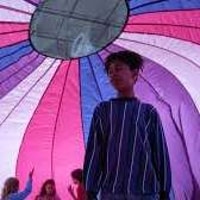
Transcript
I was mad as hell and I'm not going to take this anymore.
Speaker B:So you lie to yourself to be happy. There's nothing wrong with that. We all do it.
Speaker A:We all go a little mad sometimes.
Speaker C:Come on.
Speaker B:One of you nuts has got any guts. Let's put a smile on that face.
Speaker A:You're only as healthy as you feel. Listen to me.
Speaker C:Listen to you? By what right?
Speaker A:Because I have a right to be. I have a voice.
Speaker B:Ladies and gentlemen, welcome to Pop Culture Case Study.
Speaker A:Yeah, let's do it. I'm pumped. Let's let the healing begin.
Speaker B:Welcome to Pop Culture Case Study, where we analyze pop culture from a psychological angle. I'm your host, Dave, and I'm here with my co host, Will. Will, this week a queer horror movie called Leviticus is coming out. So we took an opportunity to talk about. I mean, queer horror, like adjacent to horror. There are horrifying things in it. We are going to watch. I saw the TV glow. So we're talking. I saw the TV glow and gender dysphoria. So Leviticus. So I'm going to go first because I have less knowledge about this than you do because I know you've already seen it. All I know about this movie is it's like, you know, it feels slightly connected to something. Like, it follows there's a. A horror element where it like, inhabits the body of different people, but especially the people you most care about. So it seems to be from the trailer anyway, these two gay men, young men who are into each other and something happens and one of them becomes monster is hunting the other one. So in. This looks great. I'm ready. So should I be this excited about Leviticus or should I temper my expectations? Will be.
Speaker A:You should be this excited. I think this movie is terrific. It's directed by an Australian filmmaker written. Directed by an Australian filmmaker named Adrien K. It's his debut and I. I will be reviewing this for In Session. So I will save most of my thoughts and also not reveal much here because your description is like sort of on point, but also sort of not. So I don't kind of what I figured, you know. Yeah, I don't really want to tell you because I want you to just enjoy it when you see it. Because when I saw it, I saw it at New Directors New Films, which is a great festival put on by film at Lincoln center, the Museum of Modern Art here in New York. I didn't know anything about it other than that it had gotten pretty positive reviews out of Sundance where it premiered and that was all I knew and that's all I needed to. Knew all I needed to know, and I really, really responded to it. It's got relative unknowns in the cast playing at least the. The. The teenagers who are. Who we spend most of our time with. And the performances are really, really excellent. And I think that Kiarella's got some really strong ideas that he's working with and executes them well. And that's really all I want to say about it. I loved it, though.
Speaker B:Excellent.
Speaker A:It's a terrific queer horror exploration of desire, and I'm going to leave it there. You should be as excited as you are, and I hope that people go out to see this. It's a neon movie. It's trailer is playing in front of a lot of things right now, so it should be getting some. Some buzz. I. I hope. Look, just trust, Trust the word of mouth that it came out of Sundance and whoever else has seen it. It's really good.
Speaker B:Okay. Awesome. Yeah. Two of the last three movies I've seen, Leviticus, the trailer was attached, so.
Speaker A:Right.
Speaker B:So, yeah, that's great. All right, so this week we are talking about gender dysphoria, so I'm gonna let you go first. What's your movie recommendation for gender dysphoria?
Speaker A:I have a list I didn't even pick. I'm going to go with. You know, I will. I will go with the. A movie that I just came to my mind without me having to do research because I feel like I just have more to say about it. And that's a documentary that came out in 2023, directed by D. Smith called Kokomo City.
Speaker B:Oh, yeah, yeah.
Speaker A:Really good. A really, really great documentary about four black transgender sex workers who basically re.
Speaker B:Re.
Speaker A:I don't even know what to call it. They kind of reinvent their profession in a way. And it talks. The documentary explores, you know, black representation in sex work, in dance. You know, like, it talks a little bit, and it has a little bit of, like, Alvin Ailey influence going on in some of its sequences. It's. It's a really, really excellent, beautifully shot black and white documentary that I think got sort of buried in 2023amidst all of the hullabaloo around a lot of the bigger releases that year. But it's very much so worth your time. Again, it. It sheds a light and offers a loud. A loudspeaker to, like a megaphone in some ways, to a community that is not often seen on screen. And if they are, it's kind of in another film that I'm sure will be on a list of ours. Like as we run through the other. The other recommendations that we have that Sean Baker tends to deal with.
Speaker B:Yeah, he is on my list, believe it or not. I have a recommendation that is Sean Baker.
Speaker A:But, yeah, this movie, again, underseen, but very much so worth your time. Really, really strong work from D. Smith. I don't know that they've made another feature. I really don't know much about them at all as a filmmaker, but. Right. This movie's really strong. And I remember, you know, it's funny sometimes just to quickly wrap up. Sometimes I will find myself, like, it late at night in bed. Don't want the laptop blaring in my face. So I will watch something on my phone as you, as Christopher Nolan told me I'm allowed to do. And this was one that I watched like post Christmas 2023, rented it on. On Apple and watched it in bed. And I was like, I was fired. I was like, this movie rips.
Speaker B:It's pretty incredible.
Speaker A:I highly recommend it.
Speaker B:Yeah. Yeah, definitely. That's one of those movies that, like, you know, speaking from a place of extreme privilege, like, so grateful that I was able to access screeners because it was nominated for a couple awards that year and I hadn't heard about it at all. I didn't know anything about it, and I just hit play and. Oh, my God. Really, really incredible documentary. And I'm glad you picked a documentary because guess what? Me too. I also picked a documentary and it
Speaker A:probably has a city named in its title.
Speaker B:It sure does. Yes. We are talking Paris is Burning, one of the greatest documentaries ever made, in my eyes. There is a reason that it is so well known. There's a reason it's in the Criterion Collection. Really incredible. It's a documentary set in the mid to late 80s, talking about the ball culture and especially in New York City, and is for. If you are a person who is not queer and not aware of ballroom culture, I highly urge you to watch this. It's entertaining and educational and heartbreaking and all of the descriptors you can imagine. It is truly, truly incredible. It is a documentary I've watched more than once, and there are not many documentaries I will say that about. Usually you're like, okay, I watched this documentary. Okay, now I know this thing and I can move on. But this is just such a kinetic documentary that, like, it. It never gets old. Like, it's one of those that's like, yeah, I could watch this again and again. And again. And it. They've. They've started to like, expand it and include more footage in other documentaries that was left out of Paris is Burning. But my goodness, truly, truly incredible stuff and a real look at like a subculture that you may not know about and will connect you. Really will connect you to the human experience. It's really, really incredible documentary. It's directed by Jenny Livingston. That's really the one thing she is most known for. She has, of course, done her thing. She did a film installation as a part of a theatrical production at Stonewall. She worked on Pose. There is definitely a theme in her work and really, really incredible watch. Paris is Burning.
Speaker A:Yeah, that. I love that recommendation. This is like, I just thought of this, so bear with me. But it's like for ballroom culture and house culture, this is like Hoop Dreams.
Speaker B:Yeah, no, yeah, absolutely. Thousand percent. Yeah. Both in terms of how important it is and the quality of it. I mean, it is absolutely. I mean, people know. We. I. People probably know how I feel about Hoop Dreams. I think it is one of the single greatest documentaries ever. Just like I feel like his Paris is Burning. Like they are probably neck and neck for me. So before you go, I'm just going to run through my list and I tried not to include trans movies that were very focused on the transformation of a non queer or non trans actor. Because I find that.
Speaker A:Sure.
Speaker B:Especially nowadays, a little like. So you will not see movies like Trans America on this list.
Speaker A:No. So
Speaker B:the People's Joker, which I know almost, if you didn't know about this, you might think it's a comic book movie and it kind of is. But it's also a really powerful trans narrative. Highly, highly recommend. All about My Mother from Alma Devar. There's a very important monologue from a trans character in that talking about what it's like to be. To live in a hostile world, which is a very apt description for many trans people in many cultures. Will, you mentioned or didn't mention, but you referenced Tangerine, Sean Baker's movie. That is absolutely on my list, Dog Day Afternoon, to break My Own rule. But that is such a great movie and so progressive and we've talked about a thousand times before, so I'm not going to go into that. I couldn't get away with giving this list and being married to who I'm married to and not mention Hedwig and the Angry Inch, one of Tessa's favorite movies. It's another wonderful kind of trans story. Bad Education, the Adventures of Priscilla, Queen of the Desert. Also Another wonderful kind of trans story that doesn't. That shows you the difference between a trans experience and a drag queen experience. And how they sometimes overlap but don't always. The most recent Kiss of the Spider Woman, which I am a defender of. A lot of people did not love that movie, but I like that they actually made that a trans story, whereas the older version, not so much. You can read into it and it's certainly there, but they don't make it text, they make it subtext. And Monica, which is a movie that was robbed for all the awards a few years back, Trace Lysat, just one of the. One of the best performances I've seen in years. Just really excellent. And I feel like that movie was given such short shrift because it's a train story and because it's such a small film. But I highly recommend people work, people watch that. And my out of left field choice, the animated film, the Last Unicorn. Oh, stick with me here. So there is a whole plot line how this unicorn is turned into a woman and there's this deep sadness because she is not in the right body, she is not in the right existence. And I can't help but when I watch that now think of a trans dialogue with that, with that particular. With that movie and with that sequence of events. Like that sorrow that this woman feels now not being in the body that she's supposed to be in. So those. That's my out of left field choice. What do you got?
Speaker A:Will I have Lingua Franca, directed by, written, directed, edited, produced by Isabel Sandoval,
Speaker B:who is one of our best living auteurs. Like, like just to interrupt you for a second, everyone out there, look her up. Watch everything that she has made. Absolutely beautiful cinema.
Speaker A:Yeah, it's. It's really incredible. That was unfortunately, like these are a lot of these, if they haven't truly broken through. A lot of these films are undersung and a lot of the filmmakers are undersung. So I just. Isabel Sandoval, Lingua Franca, incredible movie. She's got a new film coming out, I believe later this year called Moon Glow. Yeah, I'm really excited for that.
Speaker B:That's the movie I'm gonna be obsessed with. That no one's ever heard of this year.
Speaker C:That's.
Speaker B:I could just tell already you're gonna
Speaker A:recommend it to people like me, huh? What? Interesting. They go to space. Yeah, sure, sure.
Speaker B:That gets you in the theater. Yes.
Speaker A:Depends on what you're looking for. Yeah, Tangerine was on my list. People's Joker, Paris Paris is Burning, a couple other ones. And I didn't necessarily follow the same rule that you set for yourself, and I totally understand that, and I love that. But I threw in Celine Siamma's Tomboy, which. Really good. Celine Sciamma is one of my favorite filmmakers working today. And I had a couple others that do, unfortunately, use this as more subtext.
Speaker B:Doesn't mean they're bad.
Speaker A:Doesn't mean they're bad. It's just. It's not, as, you know, explicit, for lack of a better word. Persona. Ingmar Bergman's film, I think, deals more with complexities surrounding identity in general than it does gender identity. But it is. It is in the subtext at. And the same thing goes for Satoshi Don's Perfect Blue.
Speaker B:Great movie. Great.
Speaker A:Which is a terrific animated film. What else do I have on my list? Another animated film that is. It's also subtextual, but there are queer characters within. Nimona the 2023.
Speaker B:Yeah, I still have to watch that one.
Speaker A:Yeah. Really, really loved that back in 23. And then this. I stole, admittedly, from a letterboxd review of I Saw the TV Glow, but I'm just gonna throw it in here. The Beast.
Speaker B:Oh, yeah.
Speaker A:Bertrand Bonello's the Beast.
Speaker B:Man, I love that movie too.
Speaker A:God, it's so fucking good.
Speaker B:The movie you must watch at least twice. Like, it's just.
Speaker A:Yeah. Seriously. Yeah, it's. It's. It was billed as a double bill with I Saw the TV Glow in this person's review, and it was basically because they threw it in there as a existential. Yeah, right.
Speaker B:So exhausting.
Speaker A:I can't imagine an existential horror movie about your innermost anxieties manifested through our artifice and genre. And it has a lot to do with, like, again, identity. Finding out who you are, who you want to be, why you don't feel right maybe as the person or in the body that you are in. Yeah, I mean, it's.
Speaker B:Would not have pulled that, but.
Speaker A:Yeah, yeah. I mean, it's certainly. Again, I stole it, so kudos to this person. But it's like. It made me think. I was like, huh? Yeah, the Beast definitely is saying more about identity than it. Than it is just saying about, like, hey, we're all in the future.
Speaker B:It's fine. So anyway, yeah, a lot. A lot of good choices there, for sure. And I'm glad both of us have at least one pick that's not necessarily a pure trans narrative, because I think there is, and it's something we'll talk about. With this movie is I think there is something literally for everyone in this movie. Just because it is a trans allegory does not mean it cannot impact you if you haven't gone through that particular journey. So. All right, so we're going to take a quick break. I'm going to talk about gender dysphoria, and then we'll bring Will back to talk about I saw the TV glow. All right, so for today's psychology, we are talking about gender dysphoria. We will also briefly talk about gender, gender euphoria, which is of course the opposite. So gender dysphoria is when a person experiences distress because there is an inconsistency between their gender identity and their sex assigned at birth. So this term used to be called gender identity disorder. It changed in 2013 when the DSM 5 came out. So the reason the name changed is because of stigma, because the idea of someone having a disorder is different from having dysphoria. The ICD 11, on the other hand, uses the term gender incongruence instead of dysphoria. So important to note, not all transgender people have gender dysphoria. Gender non conformity is not the same thing, and it doesn't necessarily lead to dysphoria or distress. So this diagnosis, this experience, can happen at any age. But gender dysphoria in children and adolescents comes across differently than when we're adults. There's a lot of complications that could include anxiety, depression, especially eating disorders. Treatment for dysphoria includes social transitioning and can include hormone replacement therapy or gender affirming surgery, and also, of course, psychotherapy, which we can all use regardless of our experience of gender. So in terms of the dsm, it is a marked incongruence between a person's felt gender and assigned sex or gender. That's the core component of the diagnosis. It also requires distress about this incongruence in youth. Before puberty, it might show up as an insistence that they are or will become another gender rather than the one they were assigned at birth, or an aversion to that gender, or an insistence they have or desire to have different genitalia. They might express very strong aversion to stereotypically gendered activities and desire, opposite sex, typical toys, games, playmates, activities. The DSM 5 states that this dysphoria tends to be early onset. It starts before puberty, or it can be late onset, that's during or after puberty, puberty. People with early onset gender dysphoria that continues into adolescence usually identify as heterosexual being attracted to their assigned gender at birth. In some cases the dysphoria desists or is denied, during which the child might identify as lesbian or gay, but some may experience a later resurgence in that dysphoria. Some people with late onset they report desire to transition during childhood that was not verbalized, so maybe it wasn't actually late onset, but they didn't have the words to describe it. According to the apa, the American Psychiatric association, people who experience gender dysphoria later in life often report having secretly hidden these dysphoric feelings from others when they were younger. So causes can be a difficult topic. Of course. In a 2020 statement, the Endocrine Society stated that in the late twentiet century, transgender and gender incongruent people were thought to suffer a mental health disorder and gender identity was considered changeable and subject to external influences. But this was no longer considered valid as considerable scientific evidence has emerged demonstrating a durable biological element underlying gender identity. Individuals may make choices due to other factors in their lives, but their do not seem to be external forces that genuinely cause individuals to change gender identity. So in terms of diagnosis we talked about the DSM 5. So first we have that incongruence. We talked about a strong desire to be rid of those sexual characteristics, a strong desire for the sexual characteristics of a different gender, a strong desire to be of a gender other than they're assigned, a strong desire to be treated as a gender other than assigned, and a strong conviction that one has the typical reactions and feelings of a gender other than one's assigned gender. And also it has to cause significant distress or impairment. The diagnosis also contains two different specifiers, the first with a disorder or difference of sex development that's for folks who are intersex, and 2 post transition that will be used if the if the patient has transitioned to full time living in the experience gender with or without legalization of gender change and has or will undergo at least one gender affirming medical procedure or treatment regimen, namely regular gender affirming hormone treatment or gender reassignment surgery. The DSM 5 stated that gender dysphoria as a general descriptive term refers to the distress that may accompany the incongruence between one's experienced or expressed gender and one's assigned gender. However, it is specifically defined when used as a diagnostic category, it does not refer to distress related to stigma, a distinct, although possibly co occurring source of distress. Now there's a lot of co occurring conditions that come with this dysphoria. Several psychiatric and neurodevelopmental conditions. So comorbidity with psychiatric diagnoses has been found in 62.7% of people with dysphoria. Major depressive disorder, mood disorders, anxiety and substance abuse are all seen in disproportionate levels in people with gd. So this does not necessarily mean that gender dysphoria causes this. Being a person with gender dysphoria, you end up in situations where people may judge you, you may have more stress going on. So that is all connected as well. So these comorbidities are seen within youth populations and in adult populations. Among youth, around 20 to 30% of people attending gender clinics meet criteria for an anxiety disorder. Gender dysphoria is also associated with higher risk of eating disorders in transgender youth. Also, children and adolescents with dysphoria are more likely to have adhd, depression, history of self harm, adverse childhood experiences, and suicidality. So there's a widely held view that there is an overrepresentation of neurodevelopmental conditions among people with dysphoria, but this view is questionable because there's not. There is evidence, but it's pretty low quality. Studies on kids and adolescents with dysphoria found a high prevalence of autistic traits, and adults with gender dysphoria attending specialist clinics have also been shown to have high rates of autistic traits or an autism diagnosis as well. It's estimated that autistic children were over four times as likely to be diagnosed with gender dysphoria. So treatments this is also a really difficult area because there have been a history of really bad treatments and we'll talk briefly about those. So the Endocrine Society's clinical practice guideline titled Endocrine Treatment of Gender, Dysphoric or Gender Incongruent Persons notes that gender affirmation is a multidisciplinary treatment and people with dysphoria or incongruence seek or are referred to endocrinologists to develop physical characteristics of their affirmed gender. The hormone regimen aims to suppress endogenous sex hormones and maintain normal sex hormone levels of the affirmed gender. Hormone treatment is not recommended generally for prepubertal youth. Adolescents with gender, dysphoria and incongruence are recommended puberty blockers at the stage when puberty starts. Gender affirming hormones are prescribed after a team has confirmed the persistence of this dysphoria, which is normally developed by 16 years old. Treatment for a person diagnosed with dysphoria also would include psychological counseling supporting the individual's gender expression, such as through the clothes they wear, or may involve physical transition resulting from medical interventions like hormonal treatment, genital surgery, hair removal, chest surgery, other reconstructive surgeries. Now, historically, this is what I was talking about. Gender identity change efforts. Conversion therapy targeting gender identity were seen as a treatment option for those with dysphoria, particularly youth. The view that gender dysphoria was a psychological condition which should only be treated with psychotherapy was the dominant view until the 1970s. But that is not to say it does not still happen and that some clinicians do not continue, unfortunately, to hold this ideal. Attempts to alleviate dysphoria by changing the gender identity to reflect assigned sexual have been ineffective and are regarded as conversion therapy by most health organizations. And most health organizations see conversion therapy as pretty terrible because it is. The AWMF or the association of Scientific Medical Societies. Their guidelines state psychotherapy is recommended for coincident disorders for which there is already an indication due to the coincident disorder itself. But criticized the recommendation of this psychotherapy for management of dysphoric associated distress. Noted that, quote, none of the studies included in our review were able to show a reduction in gender dysphoria through psychotherapy. All right, all right. So when we talk about epidemiology, we're talking about prevalence, how often this happens. So different studies have arrived at different numbers when it comes to this. The DSM 5 gives a prevalence of 0.005% to 0.014% of people assigned male at birth. That's 5 to 14 per 100,000 and 002% to people assigned female at birth. That's about 2 or 3 per 100,000. DSM 5 says that these numbers are likely underestimates and it's based on referrals to specialty clinics. Of course, not all adults seeking transition are referred to specialty clinics, and this does not include people who don't seek transition but still feel this internally. According to Black's Medical Dictionary, gender dysphoria occurs in 1 in 30,000 male births and 1 in 100,000 female. Studies in European countries in the early 2000s found that 1 in 12,000 natal male adults and 1 in 30,000 natal female adults seek out gender affirming surgery. Studies that measure transgender status by self identification find higher prevalence of gender identity different from sex assigned at birth. A study in New Zealand found that 1 in 3,600 natal males and 1 in 22,000 natal females have changed their legal gender markers. Research indicates that among people who transition in adulthood. Individuals are about three times more likely to be male assigned at birth. So let's talk about the good side. Let's talk about gender euphoria. That is the term for the satisfaction, enjoyment, or relief felt by people when they feel their gender expression matches their gender identity. One definition is a deep joy when your internal gender identity matches your gender expression. This term has been used especially by the transgender community since about the mid-1970s. So the term has been embraced because it's a movement to stop pathologizing being transgender, not seeing transgender identity as just something that is wrong or something that can be diagnosed. It's important that there's another side to this as well. So to close out just a little bit about society and culture when it comes to gender dysphoria, researchers disagree about the nature of distress and impairment in people with this dysphoria. Some authors have suggested that they suffer because they are stigmatized and victimized. And if society was less strict about gender, transgender folks would suffer less. But some controversy surrounds the creation of the gender dysphoria diagnosis. One group of researchers stated that although the creators of the diagnosis state that it does have rigorous scientific support, it is impossible to scrutinize such claims since the discussions, methodological processes, and promised field trials of the diagnosis have not been published. Some cultures are not limited to two genders. Some cultures have three or more defined genders. The existence of accepted social categories other than man or woman might alleviate the distress associated with with cross gender identity. For example, in Samoa, there is a group called fa', afafine, a group of feminine males, and they're basically socially accepted. This group appears similar to transgender women in terms of their lifelong identities and gendered behaviors, but they experience way less distress than transgender women in Western cultures. This suggests that the distress of gender dysphoria is significantly increased by difficulties encountered from social disapproval by a person's culture. But it's unclear whether or not gender dysphoria persists in cultures with third gender categories. It's definitely an area that needs a lot more research. And I think in our movie we see, of course, we see two pretty young people, one of them having gone through puberty. We assume one may be about to. And there's definitely some gender dysphoria and some things that are revealed later in the movie that maybe you have to read into a little bit. But I think it is all there just beneath the surface. And I think we as Western culture obviously need to get much better at acceptance, and especially in the United States. The way things have moved in the past decade are really unfortunate for a large group of people. Many groups of people. Trans people being obviously one of them. Trans people. There have been many documented studies about the fact that trans people face violence much more than basically any group of any other group of people. And this is especially true if you are a trans person of color. This becomes even more dangerous. And I think when we look at the research, when we look at the actual science, trans, it's fairly easy to see that there is stigma involved with being a trans person. And the idea that people are being groomed or people are simply choosing to be trans because it's the cool thing to do is complete and utter nonsense. And if you believe that, I urge you to do a little more research that can actually back be backed by the actual science and not the research that you do on Facebook. All right, so that's enough psychology for now. We're going to take a quick break, and then we're going to bring Will back to talk about I saw the TV glow. All right, so we're back. We're back to talk about I saw the TV glow.
Speaker C:I know this might sound crazy. I don't want to alarm you. Do you remember a TV show we used to watch together? It was called the Bigger Bait. Yeah. Do you watch. Each episode? They help each other fight a new monster from across the county. But it's way too scary for most kids. We're gonna defeat him this time. We're gonna need to harness the full potential of our shared powers. Sometimes the pink opaque feels more real than real life.
Speaker A:Mary, it was a TV show.
Speaker C:Are you sure that's all it was? I like girls. You know that, right? Totally.
Speaker A:That's fine.
Speaker C:What about you? Do you like girls?
Speaker A:I think that I like TV shows.
Speaker C:It's our destiny.
Speaker A:How can I have a destiny?
Speaker C:Something's wrong. This isn't how life is supposed to feel. Tell me you know it's true.
Speaker A:Maddie. It's. It's just the suburbs.
Speaker C:Seems like you're always somewhere else. Lately,
Speaker A:Maddie disappeared without a trace. All I found was her TV set burning in the backyard. I told myself I made the right ch. What if I really was someone else? Very far away, on the other side of a television screen?
Speaker B:Jane Schoenbrun's, I think, second feature.
Speaker A:Correct.
Speaker B:Which is incredible, but mind boggling. Really, truly mind boggling. And, you know, spoiler alert, she is coming out with her third movie this year. Do you remember the exact title of that movie? It's a It's a tough.
Speaker A:Teenage Death and Sex at Camp Miasma, Man.
Speaker B:Great memory. I can never.
Speaker A:Teenage Sex and Death, something like that.
Speaker B:The two starring Gillian Anderson and Hannah Einbinder, among others. So very excited for that. My history with. I saw the TV glow. Granted, it can't be too deep because it did not come out that long ago, just a few years back. This is a movie that, of course, came out while I was living in Kentucky. It will not surprise you that it was not playing here. So when it first came to digital, I had an option to rent it for 1999 or buy it for 24.99. And I. Everything I'd heard about it, I was like, I just feel like, you know, like, I was talking about with Moonglow, I just felt like I'm gonna be obsessed with this movie. Like, and I usually have a pretty good eye for that. Usually when I see a trailer for something and I'm like, oh, no, I'm gonna love this. Usually I'm right. It is very rare. That was Mother Mary this year. Like, I saw that trailer, and I was like, oh, I'm love this nonsense. Here we go. And I did. And so I had the same exact experience with. I saw the TV glow. So I rented it or bought it on. On itunes or whatever and sat down immediately and watched it, and the movie completely blew my socks off. Like, I just. I. I think it's truly incredible. It's a movie that I've watched four times now, and it makes me cry every time I watch. Hits me. It seems to hit me harder even. Especially, maybe because I know what's coming. There are moments in this movie that when they surprise you, maybe it takes a while to really hit, but when you feel it coming, it hits a little bit harder. And that is exactly what happened this time when I watched it and I watched it with my wife and our friend Shane. Shane had never seen it and, you know, had been told it was really, really great. And he's actually going about to be in a play that is about, you know, a trans individual. So he's, like, trying to kind of get in the headspace and trying to figure some stuff out. And so he watched this, and he was also blown away by it, which made me happy. It is one of those movies, like, I am legitimately petrified to watch with other people because I don't want to hear, like, I didn't get it or I didn't like it, because I'll get. Like, I. There are very few movies like this, but I'll get really defensive about this movie. Like, when people are like, I don't like it, I, like, immediately have to stop myself from being like, well, what's wrong with you? What did you miss? And I don't want to be that person. I want to be that person. Well, you just didn't get it. But, like, I am very defensive of this movie because I had such a strong emotional reaction to it, and I continue to. So much so that I. Jane Choan Brun is now on the list of directors that I. Sign me up. Whatever you want to do. I will pay money to see this in a theater. I am excited to do so. So I adore this movie, obviously. What about you, Will. I assume you saw it in the theater upon release, living in big, fancy New York City. It was playing everywhere, on every street corner. I'm sure.
Speaker A:I regrettably, actually didn't see this in the theater.
Speaker B:Every opportunity in the world, and this guy's like, ass.
Speaker A:There were no. There were some things going on in my life around the time of this.
Speaker B:Fair enough.
Speaker A:And so I wasn't able to get there. I wasn't in the big, grand city of New York at the time. But anyway, I. Once those things were in the rear view, this was a big priority for me, and it's because. Well, I'm not gonna get into all that. But anyway, yeah, this was a big priority for me, and it immediately blew my socks off and just. Just knocked me for. Threw me for a loop in terms of. Not in terms of. Like, I don't get it, as you. As you funnily said, because there are plenty of. Plenty of people that don't. But, you know, threw me for a loop in terms of how somebody can craft something like this, especially just on their second feature. Like, I saw Jane Schoenbruns first film. We're. We're All Going to the World's Fair when it was released in 2021. And I was really impressed.
Speaker B:This is such a leap, though.
Speaker A:Like, it's such a leap. Also, there is. As you said, there's something here for everybody. I'll quickly just say that this was one of. I Saw the TV Glow was one of my favorite films of. Of 2024, certainly. You know, I think that that goes for a lot of at least critical bodies and critics. But I don't know that I've ever had a conversation about this film with a regular person. If. Sure, sure, sure, Normie. And that's just because I don't. Again, while there is something Here for everyone. I think you need to find it on your own time.
Speaker B:Yes.
Speaker A:And you need to discover it just by discovering it. You can't. I, I too have that sort of reaction of, oh, gosh, I don't know if I want to experience this with another person because I've now seen it three times and I have all. I've watched it alone all three times and, and I have relished those experiences. And I think that for me, as a. Not as a non queer person and a, you know, cisgender male, I look at this film and of course see the trans. The trans story and the story of gender dysphoria. But also for me, I. Identification wise. Discovering yourself through the lens of the pop culture that you, you know, explore and experience and ingest obsessively especially.
Speaker B:Right.
Speaker A:You know, like kind of finding who you are through those things, for better or for worse. That is a really, really magical thing that Jane has. Her, you know, there. Has their finger on the pulse of totally. And I really don't know how they, I, I want like to know everything about them in terms of how they came to, you know, discover all of these obsessions and all of these experiences when it comes, you know, when it just, when it comes to consuming culture. Because, you know, as. As we mentioned briefly, they have their third feature, Teenage Sex and Death, which I confirmed it's Teenage Sex and Death at Camp Miasma coming later this year. They also have a novel titled Public Access Afterworld. And just throwing the word Public Access in the name of your novel title, I am like, so curious. And they are just obsessed with these themes and, and these ideas about what culture, what culture influences how it influences us. And I am, I'm obsessed with that myself. So.
Speaker B:Right.
Speaker A:Just to, you know, kind of put it all briefly, this movie really, really, really understands something that so few other movies that pretend to be about what culture means to us don't. And as you said, for it to be a second feature and as giant of a leap as it is is remarkable. Jane is one of the great modern auteurs and I actually walked by them at the Toronto International Film Festival a couple years ago and as they were waiting in line, I don't know what for, but I just couldn't help myself but be like, I, I love your work. I think you're a genius. And they were like, oh, thanks. I was like, oh, it's good. You're a real person.
Speaker B:Yeah, yeah.
Speaker A:You also find it weird when I do this. I don't never do this but you are amazing. So anyway, yeah, this movie is special and so is Jane.
Speaker B:Yeah, I, you know, you know, a movie's really special when you know this isn't true, but you watch it and you feel like someone made it for you.
Speaker A:Right.
Speaker B:And I definitely, even not being a trans person, I cannot imagine how associated I would be with it if I were. But, but just the, the queerness aspect and, and the pop culture aspect and especially the very clear pop culture that she's referencing, which is Buffy the Vampire Slayer. Like, it is so on the nose, it's not even funny. If you ever watch that show, I mean, they use the same font in the, in the credits for, for the Pink Opaque. They. There is an actress who was in Buffy who has a very small part in here. Like, there's a lot connected with that. And that idea of isn't that a girl show? That is something I definitely heard as a fan of Buffy the Vampire Slayer. Like, there's so much in here that I was just like, I. It feels strange to say this as a 40 something year old man, but like, I feel seen by this movie, like, I feel like it is almost too intimately close. Like some of the. Some of the structures of it feel so close to me that I'm just like almost uncomfortable watching it with other people. Like, it is really difficult to just be that exposed when, when watching a movie like this. And there are so many moments in this movie, like I could sit here and be like, and this was amazing, and that was amazing. And oh my God, the visuals. And you know, right behind me right now on my screen is that like pink fog, which is just like such a beautiful, stunning, ethereal, dreamlike image that is like kind of sitting between the real world and the world that you can choose to live in. Like your, your truest self. Like, that is the bridge that can get you there. And I think, like, what a smart idea and show. And Brent does this without ever saying it, which is the most impressive thing to me is they are not concerned with whether you get it or not.
Speaker C:Right.
Speaker B:They're concerned with making the movie they wanted to make. And it was a, a massive success. No matter how much money it made or didn't make or who likes it or doesn't like it, they made exactly the movie that they wanted to make. And there is a point in this movie. I remember the exact point in this movie where I was like, oh, five stars. Like, this is going to be it. And it's. There is this extended monologue from the character who Leaves and then comes back. And the courage as a director to just stick with it. It's long. I mean it's got to be. I've never timed it. It's got to be like three or four minutes of just this one person speaking and which doesn't feel long for
Speaker A:an hour 45 movie. But when you're sitting looking at a person speaking for that long is.
Speaker B:And the decision by showing Brunt to not show the reaction from our lead character until the other one is done speaking is a stroke of genius because it allows you as the viewer to get caught up in the dream, in everything that they are saying. And then at the very end, she shown run pulls the rug out from under you. And because you're just listening and you are engaged, you're like, oh my God, yes, this is real. This is. Something magical is actually happening here. And then the camera flips and it's like, well, that's not real. And it is so heartbreaking to watch this character who, you know, as the viewer needs this. They need this world. They are too scared to access it. They need someone to pull them into it. And that's the one thing that no one can do. No one can pull you into your truth. You have to find your truth on your own. And to me, that's what the whole movie is about is the. You know. And I love the fact that even though it is sad and heart wrenching
Speaker A:devastating, it's also hopeful.
Speaker B:It's not too late. It's never too late. It doesn't matter how old you are. It doesn't matter how many steps you've taken away from it. Your truth is waiting for you.
Speaker C:You.
Speaker B:And it will wait for you forever. And it's just like. And again, she just shown Brun. They just write that on the street. No one says it. No one says like, everything's gonna be okay once you admit who you really are. That's not the kind of movie. It is just to me, there are many sad moments in this movie and certainly many people will point to the screaming sequence near the end, which is incredibly performed. The part that gets me is a little bit earlier when our lead character basically says. Basically says, I've given up. Like I've. I have a family now. I have this tv, very much so. And says. And says I love them more than anything and smiles. And then you see the smile like almost literally run away from their face. And it is the most brutal performance. It's a small moment, it's quick. But man, that gets me way Worse than the. The. And the screaming is incredible. It's beautiful, like I said. But the scene before that is what really, really gets me. And. But what you said. I want to go back to this idea of, like, finding yourself in media. And this is, you know, you know, woke and all that. But, like, this is why representation is important. It really is.
Speaker A:Woke, mob president fucking.
Speaker B:To be able to see yourself in media or some version of yourself or some idealized structure that reminds you of who you are, it fucking matters. It absolutely matters. Because how many people in prior generations never got to see any representation of themselves on a screen? We're all connected to screens. I'm looking at you through a screen right now. We do this at least once a week. We're on our phone.
Speaker A:Literally the only way you and I have ever connected is through screens. One day I will be able to hug you in person, totally tell you I love you. But for now, it screens, and it's
Speaker B:even more so now than it was when this movie was set. Right? We're on our phones all day. We're. I mean, even when you work, you're on a zoom call. Like, we're constantly on screens. We. And. And when it. But when it comes to popular cult like, this is. This is the way we unwind. This is the way we experience art. This is the way we experience things different from us, but also it's the way we experience ourselves and viewing, like, the fact that, like, who I am is okay, because this lead character in this movie, until the pink opaque, everything is hidden, he is too scared to be in the world, even with a. With at least one supportive parent. Still, I can't possibly tell anyone who I really am. Until you find not only representation through media, but one other person who gets it, even if they never really even talk about it. One other person who accepts me for my weirdness, for my nerdiness, for my obsession, all these things, once I find at least one other person, that means I'm not alone. And of course, it's, like, mirrored through this idea of this television show where there's these two people who are separated by being in different worlds, but they have a connection. They have that tattoo. And that scene where she puts that tattoo on him. I mean, it's just the most beautiful moment of connection you can imagine. And Schoenbrun is really masterful at using these moments where no one is speaking to connect in a really, really deep and intimate way. I just think this movie is truly a beautiful work of art.
Speaker A:It really is. Yeah, it's it's so beautiful as a work of art that I find a lot of the reviews that aren't negative but are very much in that middle ground of it's not for me are so focused on like, yeah, rich with capital I images. Like, that's something I directly read on online. And also, you know, there's like the, Again, not to make it some pejorative, but like, I don't get it, all right? It's not for me. And I just, I, I will you to look a little further or try a little harder. And it's not like you, you should ever have to really work to enjoy something or work to experience a work of art. But sometimes you just have to put your thinking cap on a little bit, right, and understand why something is. Is saying what it is or what exactly it is saying. Like, it's not always going to be that direct and hit you in the face and be like, here's what I'm about to right, like shown runs films are very allegorical and I appreciate that. Then again, shown Bren. They also write very well and they write very beautifully. And some of the one liners that are in this, that aren't throwaway lines by any means, but aren't, you know, so embedded in the allegory and are actual direct questions are also really, really beautiful and important. You know, like, I don't even have my learner's permit yet. How can I have a destiny like that is.
Speaker B:And that feels straight out of Buffy. Like that is a Buffy line. Like, you can tell Jane Sherbren knows their stuff. Yeah, absolutely.
Speaker A:And then, you know, what if she was right? What if I was someone else? Someone beautiful and powerful, buried alive and suffocating to death on the other side of a television screen. Like, it's a little more allegorical, but still really gets to the point of like, what if. What if I matter?
Speaker B:Right?
Speaker A:Whether it's here or it's there or it's anywhere.
Speaker B:And what if my real self is out there and I am not respecting my real self enough to let them breathe? Like, the burying is not an accident.
Speaker A:This is a movie. Yeah, this is a movie about how, you know, we see ourselves not just when the webcam is on, but see ourselves through the screens we're looking through. And sometimes it's. The definition of ourself is not literal. It is more of something that we may not know is there yet, but will inevitably make its way out. I mean, again, I am a cisgender white male heterosexual. Like, that's that's my story. But I can understand also that art is really incredibly powerful in someone's self discovery. Schonbron themselves came out and discovered they were transgender when they were writing we are all going to the World's Fair. They were on mushrooms. Like, that's the story. They were on mushrooms. And they've realized it. But that making a work of art is what helped them discover.
Speaker B:That's right.
Speaker A:More about themselves. And you know, like the line in this movie that is, you know, repeated a couple of times and I will also talk about in a brief second about another line that is repeated a lot at the end of the movie that's incredibly powerful is sometimes the pickupic feels more real than real than real life. So yeah, sometimes these worlds that we spend so much time in feel more real because we understand. We feel like we understand them more than whatever the is going on around us. Because all this doesn't make sense. But finally there's something that does exist and make sense to me. So I want to spend all the time that I can in that world. That's why these teenagers clamor for 10:30pm when the young adult network is reaching its final moments before it goes to black and black and white reruns for old people. That's really funny, you know. Yes.
Speaker B:And also a time when you couldn't just watch it whenever you wanted to.
Speaker A:Right.
Speaker B:Like, this brought back so many memories for me. Like, not only Buffy, but I was also into like the X Files. And I got into that a little bit late. So I had to like, find people who liked it and had it taped and borrow the vhs. And like, that is exactly what Justice
Speaker A:Connection Owen character does in this for a very long time. And then after he's given or during that monologue that he's giving toward the end of the film that Owen is giving toward the end of the film talking about, you know, like, I can stream it now, but it doesn't feel like it did. It's not that I don't recognize this. And the line that that ends the movie pretty much Ms. Owen repeated after having. I don't even. I don't want to call it an outburst. He's like having an awakening. Almost as a more appropriate term is walking through the fun zone that he works at, which is just a. I'm sorry to hear, but, you know, stuck in that world. And all that Owen can bear to say is I'm sorry about before. Sorry about before. I'm sorry about before. And that is often followed by the Instinctual offering of, like, an explanation. No, it's this new medication. That's why I was that way. But the movie is saying is that is often the lived experience, but it doesn't have to be. And it shouldn't be. Shouldn't apologize about before. You didn't know. You didn't understand. You didn't. It hadn't come to you yet. It wasn't your time. And there is still time. That's literally, as you said, written in chalk on the pavement. One of the most, again, of. Of all the Capital I images that are in this movie, whether it's the ice cream truck with. With floating pink fog billowing out of the back or the chalk on the sidewalk of There is still time. Like, it's rich with us for a reason. Because they need to be seen.
Speaker B:Yep, for sure. Yeah. And that. That sequence of I'm sorry about before, I find it really interesting because, you know, Justice Smith and that particular moment in that outburst, they think that they are. In my mind, they think that they are screaming and, like, bellowing.
Speaker A:Yeah.
Speaker B:No one notices.
Speaker A:Nobody sees.
Speaker B:No one sees them. To them, they are acting out in a way that is, like, horrifying. But the world barely even notices. And that's. You know, this process in many ways is internal. This process of finding out who you are, your identity, entity, whatever that may be. And, you know, there's so many things in this movie that I'm like, oh, it's a nice little touch. Like the idea. And it's not subtle. Right. The idea that the. The evil that they're fighting is Mr. Melancholy. And the trans experience, in many ways, especially those who have gender dysphoria, goes in lockstep with depression and anxiety. So the fact that that's what they're fighting and essentially burying themselves with that melancholy, with that sadness, with that depression. Like, again, this is not just by chance. It wasn't just like, oh, I like alliteration. Mr. Melancholy. That's good enough. That's fine. I mean, is a character that literally pulls your heart out, still beating and puts it on a shelf?
Speaker A:They liked alliteration. It would be like Mr. Menace or.
Speaker B:Yeah, totally.
Speaker A:Like.
Speaker B:And I love the idea. This. This heart image, I think, is also, of course, perfect. This idea that my heart is out of my chest, but it is still there. It's still beating somewhere. I can access it. If I would only take that step. If I would only have the courage and the bravery and the wherewithal to take that step. Now, one thing that I remember reading A lot about this movie when it first came out, and there were a lot of trans folks that. Their one big criticism, and I'll speak to it in a second, is this idea that the movie is telling you to, if you're trans, come out. And it should be noted that the trans experience is also a very dangerous one. Coming out in certain circumstances is scary because you could be harmed or killed. That is a very real fear, a tangible fear that trans people have to be like, if you, you know, are living in the. In the middle of the country and you're living in an area that is not accepting and you're. You are around people that are violent, it's a dangerous thing to come out. That is a valid critique of this movie and a valid experience. But I did not take this movie as saying everyone has to come out immediately, wherever you are. The idea to me is there's always time, there is a way. And this is reminiscent of the coming out experience for queer people who are not trans. And many of those people, throughout especially American history, have moved to heavily populated areas where they are more accepted and they can find community. And that, I think, is what Schoenbrunn is trying to say. And of course, in this movie, it's the. It's the whole metaphor of the pink opaque. The pink opaque being real. There are places where you can go where it's safe. And I think that is what they're trying to say. But I can also understand if you're a trans person who lives in Oklahoma and you have nowhere else to go, you're living with your family or living with your parents and you're scared. No, it's probably not a good idea to come out in that situation. You do have to protect yourself. You do have to. But again, an internal process, right? That doesn't mean you have to lie to yourself about who you are. And that's the most harmful thing that Justice Smith's character does in this film is he starts. He starts internalizing so much that he starts just saying, no, none of this is real. Like, wouldn't it be nice if I mattered? But I don't. I'm just a guy who has some kids and I work at an arcade. And it's. Again, it's. No, it's not just chance that he is connecting, even in his work, to things that remind him of his childhood, right? Everything that he does is connected to this slightly immature world because that is where things went haywire, where he had an option to go with our other character and live a real life and live the life that he is meant to live or she is meant to live. And I love the fact that this movie only shows the kind of outwardly trans stuff, like the Justice Smith wearing stereotypically feminine clothing in this kind of hazy flashback where they're not sure if they're remembering correctly and it's almost unreal, just like the pink opaque is to them. And I think that is a really, really brilliant artistic decision from show and Brun, one of many. And I just love the way that they went about that. Instead of being like, there's no. It's interesting for many trans stories have what stereotypical straight people would call shock value. And you don't have that here. Like, even in a movie, like I mentioned, like a movie like Transamerica, like, we have to have a female actress with a prosthetic penis, and we have to show her squatting and pissing by the side of the road. Like, that's the kind of thing that are in a lot of trans stories. And I love the fact that this never does that. It kind of stays, if ethereal throughout because, like, living your truth does feel a little dreamlike and a little ethereal, especially when the world tells you that you shouldn't or that you can't. And I just. I love the way show and Brun handles all this. And it's, again, another one of these movies that the more you watch it, I think the more you get out of it. Because, you know, again, there are things in here not subtle. In the very beginning of the movie, the character is literally under a trans flag, like the colors of the translate. It's like we're just putting it out on front street here. This is what this is about.
Speaker A:Image.
Speaker B:Absolutely.
Speaker A:Yeah.
Speaker B:Just absolutely stunning. I. I adore this film. It was. I just looked back at my list and it was like my number six movie of that year and Catch Me on the Right Day and it's number one. That was. That year was an embarrassment of riches at the top that year, I think. What did I have? I had. Oh, yeah. I mean, that was Nosferatu year, so that's gonna be tough to top for me. Close your eyes. The Brutalist Nickel Boys, Ghost Light. I mean, it's some really, really, really great films. But I might have to move it up because, like, watching it again, like, it's always a real testament to a movie where you watch it a third or a fourth time and it impacts you as strongly or stronger than the first time you watch it. And this is definitely in that category.
Speaker A:I'm with you. I'm totally with you. I think that they're. I mean, yeah, I look at my list, and it's like, you know, this is my.
Speaker B:This is 12.
Speaker A:But on any. It depends on the day. I think, like, the only movie that it probably can't surpass.
Speaker B:The substance. Right. That's your number one, the substance.
Speaker A:No, it's Nickel Boys. Great. But, yeah, like, I have Nickel Boys, the Brutalists. You know, Dune Part two, which feels so silly on a list among all of this, but I can't deny it.
Speaker B:It is a great movie.
Speaker A:Though no Other Land. Evil does not exist. Queer Anora, Challengers, Nosferatu, the Beast. Close your eyes. And then I saw the TV glow. Like we were really, really spoiled. Eaten. Eaten Good.
Speaker B:Yeah.
Speaker A:And. But this is one of the defining works of that year and certainly of the 2000 and twenties, just as Jane, Sean Brown is one of the defining auteurs of. Of this. This generation for a reason. You know, they make. They make films that speak to people in different ways, and they make films that. That ask interesting questions. Just like, in terms of, you know, the. The fact that. The fact that a lot of those critics. A lot of transgender critics were saying things like, you know, it's encouraging people to come out, I think, is I can. I certainly respect their position and. And opinion, but, like, I look at it and I see that it's. It's just depicting one experience, and it's depicting Owen's experience as someone who doesn't know who he is until. Until they. You know, I keep saying he. And I'm thinking, yeah, the gender thing is.
Speaker B:Is tough with this one. Everyone. But it's difficult.
Speaker A:Right. I think everyone is safe. Yeah. Oh, and they're, like, at the very end of the film before saying, I'm sorry about. Before they cut themselves open and they see a TV glow inside them. You were talking about the heart being pulled out of people. You know, difficult to say, but I don't. You don't see his heart. And I think that that's because the heart is glowing, and it's also the glow of the TV screen. I think that's beautiful. But also throughout the film, Owen is, you know, pushing Maddie, who we should say is played by Jack Haven, credited then as Bridget Lundy Payne, but y has since come out.
Speaker B:Also, like, not even low key, high key. My favorite performance in the movie, really.
Speaker A:It's terrific.
Speaker B:Stunning.
Speaker A:Justice Smith gets a lot of the praise because I think he gets a lot of the moments.
Speaker B:But, yes, It's a bigger performance. But that monologue we talked about, just to be able to hold the attention there, really incredible work.
Speaker A:Yeah. But Owen continues to push Maddie away almost sometimes physically, you know, hey, Barry, let's bury ourselves alive so that we can go back to that place where we feel so comfortable. Okay, I'm here. No, I can't do it at the last second. Or let's run away from home and be away from all of this. This is a horrible place. We need to find somewhere where we belong. Hey, you have to tell my dad that I've been lying to him and that I've been sleeping over here all these years because I can't go with her. I can't go with her. I can't. I can't. You know,
Speaker B:that's one of the most heartbreaking moments of the entire movie, is that that fear of. I know that left to my own devices, I will go with her, and I am too scared to do that. Please, someone stop me from myself.
Speaker A:Yeah. I'm scared to be who I am. Yep. What I love also is like, there. It's brief, but it. I think it matters. And you know, I can't even remember the. The kid's name that he's supposed to be sleeping over at his house, but the mom just is like, take a deep breath. Let me. Let's talk. And it may be because of confusion. We never get that moment or that conversation. We don't need it. I choose to believe. This is my experience with the film. I choose to believe that that woman was there for Owen in that moment. Maybe that's optimistic. Maybe that's rose colored glasses. I don't know. But yeah, people are willing to be there for Owen, but he's not willing to be there for himself, for themselves.
Speaker B:Right.
Speaker A:And it's all a very painful process that I cannot imagine enduring. But I also know that for, you know, the trans people in my life and in anyone's life, once that moment does come, there's newfound magic. So I think this movie does a beautiful job of portraying both sides of that coin, if you want to drill it down to. To that sort of analogy.
Speaker B:Yeah. I think it would be so easy for a movie like this to a little bit villainize our lead character for not making the quote unquote right choice. But I love that it never does. And it's like, you know, I talked about it very briefly in my letterbox review. Like, it's like you are magic. Like, you have the ability to transform into your best self and Sometimes media like movies, helps us find that. You know, I think we all can. Anyone who's listening to a fucking movie podcast can certainly understand the idea that this art form can be transformative. And the same thing of music, same thing of television, of books, of any art form, any art form that is worth anything. You know, Ebert, of course, talked about the empathy machine. You can, like, feel things that you would never feel like put yourself in other people's shoes, but also you can find who you are through these, these journeys, these magic journeys into, in this case, the TV glow. And I just, I. I find myself every time I watch this, like, tremendously moved by so many of the ideas that Schoenbrunn is putting forth. And it's, it's. One of the beautiful things about this movie to me is that, and I love movies like this, that it doesn't have to make perfect one to one sense. Like, it doesn't. Everything doesn't have to line up exactly right and make perfect sense because like, I got, I got news for you. Life doesn't line up one to one. Most of the time. There are, you know, stray thoughts and, you know, plot threads that drop and, you know, things will never get to find out. And that's okay because this movie is representative of not just the trans experience, not just the queer experience, but of the human experience. I think this is a movie that can reach a lot of people. And frankly, like, I find it interesting that two of the people in my life that I know the best that like this movie the most are two heterosexual men, you and my buddy Mike both had very strong emotional reactions to this, and I find that lovely that it's. It's not, it's not, it's. It's limiting. Limiting to look at this as just a trans movie, just a queer movie. And it is those things very clearly, but it's also just a very human movie. I think we can all relate to finding ourselves. We can also all relate to not feeling like we fit. I think we've all felt that at some level, like, I don't know anyone and I've known people who are jocks. I've known people who are every slice of life. And all of us at some point in our life, if not at all points in our life, feel like something's not quite right. I don't, I don't quite fit with this narrative that I'm. I don't feel completely understood and I'm struggling. Like, I think we all get that. Like, it is. This is a much more extreme version of this. Like, I'm not ready to like, open up my chest and pull out my art or anything like that. But like. And I don't feel like I'm not in the right body or anything like that. But there are moments where I think we all feel like, yeah, I just, I'm not understood. And I crave something to really connect to and I think understanding. Yeah. And I think that's what friends and partners and pop culture, I think pieces of that can help throughout our lives. And I don't think that ever really changes. I think when I'm 80, there's going to be things that impact me in a from pop culture and there's going to be ways that I've changed. And I, I look forward to continuing to return to I Saw the TV Glow time and time again. Because it is. Every time I think about this movie, I think I should be watching this movie. Like, it's one of those where I'm like, why am I not watching. I saw the TV glow. Why am I watching some shitty Netflix rom com with Sacha Baron Cohen? Why am I not watching I saw the TV glow? Like, it's just like I should balls up.
Speaker A:The fuck.
Speaker B:No, I'm not even talking about balls up. There's another one.
Speaker A:One I know, another shitty one.
Speaker B:Another shitty Sasha Baron Cohen movie. He's having a lv.
Speaker A:No, you're not in that. But no matter. Doesn't matter.
Speaker B:He is involved.
Speaker A:Oh, you're right, I forgot.
Speaker B:He's in both. Yes, absolutely. But yeah, I saw the TV glow. Like, I, I always hesitate to use the term perfect movie because it is kind of imperfect in many ways, but it is perfect for. And to me, like, I, I just, I hold this one very close. And it took a lot for me to watch this with two other people, even people I trust. I was still very like I, I. Throughout the entire two hours, I didn't make eye contact with either of them. I was just like anybody that much. Completely locked it. Like, I was like, I. I'm about to like, like cry like a cartoon character. Like just tears spurting out of my
Speaker A:face, flying all over the room, projectile.
Speaker B:It's a lot, but absolutely worth it.
Speaker A:So, yes, I agree.
Speaker B:All right, so I think that's enough about that because if I talk any more about it, if we talk anymore. So next week, basically the same kind of movie comes out, Supergirl. I'm sure it'll be just like I Saw the TV Gloves. So we have a Craig Gillespie directed female focused origin story. Ish. So we are going to watch a movie, unbelievably, that I go to bat for, which is Cruella. We are going to watch a movie that my wife refuses to watch with me, so I will be watching alone. So we're talking about Supergirl and Cruella next week, so. Well, you mentioned you're writing a review on Leviticus. By the time this comes out, that will be available on in on In Session film. Anything else you're working on? Where can they find you online?
Speaker A:Tribeca will be happening around this time or probably coming to a close around this time, but you will be able to see some work from that. And yes, Leviticus is also included, not in the Tribeca bunch, but just in the bunch of writing that I'll be doing. And then elsewhere for my other musings, you can find me on Twitter at bywillbearnr letterboxd as will be on our I'll probably just change my Twitter to that to follow your lead, I think, make it easier on everybody, which there's so many of you. So yeah, that's where I'll be. What about you and the show?
Speaker B:So you can find the show at Pop Case Study. You can find me at Darn that Dave. I've been doing a lot more work on my sub stack lately, kind of building that up. So basically any movie that I see in the theater that I'm not reviewing for another site, I'm trying to put a review out just to, you know, keep those, you know, keep those finger muscles working, keep that hard like I am.
Speaker A:I am really come back to it after a while. And it is not. You got to stay in the gym.
Speaker B:You really do. Yes, absolutely. So. And you know, still doing some stuff for In Session, I'm hoping to review Couture, the new Angelina Jolie movie I'm looking to review Stop that Train. Those exclamation points are important. Doing some stuff for Geek Vibes Nation for. For Tribeca. Not sure what exactly, but there'll be a lot of work there. So follow me at Darn that Dave on all of your all of your social media choices, whatever they may be, I'm sure they are better than mine. So until next time, we will be here diagnosing your favorites and judging you for what you watching your teeth, smiling
Speaker A:flash, talking trash under my window.
Episode Notes
Finally, our first chance to talk about I SAW THE TV GLOW.
We talk Schoenbrun, amazing visuals, queer cinema, all for the release of LEVITICUS!
Find out more at https://pop-culture-case-study.pinecast.co