Cruella and The Shadow Self (Supergirl)
Dave has lost his mind
Transcript
I was mad as hell and I'm not gonna take this anymore.
Speaker B:So you lie to yourself to be happy. There's nothing wrong with that. We all do it.
Speaker A:We all go a little mad sometimes.
Speaker C:Come on.
Speaker B:One of you nuts has got any guts.
Speaker C:Let's put a smile on that face. You're only as healthy as you feel.
Speaker A:Listen to me. Listen to you.
Speaker D:But what right?
Speaker A:Because I have a right to be. And I have a voice.
Speaker C:Ladies and gentlemen, welcome to Pop Culture Case Study.
Speaker A:Yeah, let's do it.
Speaker D:I'm pumped.
Speaker A:Let's let the healing be.
Speaker C:Welcome to Pop Culture Case Study, where
Speaker B:we analyze pop culture from a psychological angle. I'm your host, Dave. I'm here with my co host Will. So, Will, this week a little independent film, Supergirl comes out, directed by Craig Gillespie. So we wanted to take a look at another Craig Gillespie movie that focused on a female protagonist and someone who has shown up in other forms before, much like Supergirl has been in comic books and in other movies. Really bad movies. So we're taking a look at what should have been an Academy Award winning performance. Cruella. That's where we're going. Cruella. So yeah, we are, yes. So we're talking about Cruella and the shadow selves. So we're going to talk a little bit about Young in our, in our psychological section. So but before we get into all that, Supergirl. Superman, how are you, how are you feeling about this new James Gunnaverse that we are now in with with the DC and are you looking forward to this one?
Speaker A:I like James Gunn's films and I like his stewardship of certain superhero franchises. Like, I really am fond of the Guardians films, the Guardians of the Galaxy films and I liked each of them to invariable degrees. But I am like a soft like on most of what Craig Gillespie does and I appreciate his sense of humor. I appreciate Gun sense of humor to an extent. When I saw Superman, I, I liked the movie. I thought that the overwhelming praise was very, very one sided to a particular group, which is the people who really, really, really love DC and Superman and watch a good portrayal and were starved of that from the Snyder days. And I too was similarly like, I love Superman and I love the DC like the proper DC films, which is why I have an appreciation for Nolan's Batman and even Reeves Batman and all of that stuff. But I thought that, you know, Superman was a nice movie that was ultimately a little too nice for me and interesting. I kind of wish Gun had steered a little bit back toward that Like, I'm a heel of the superhero franchise kind of stuff. So I'm hoping that Gillespie, given that that's kind of his signature tone, is. And his whole vibe is being a heel.
Speaker B:And Supergirl's tone in this world and her.
Speaker A:Her tone in this world, like, she stumbles out at the end of Superman looking like she's been on a 400 year bender and is like, yo, where's my dog? You know, Like, I'm looking forward to that. I hope it's not necessarily that tone for the entire movie. But look, I'm gonna see it. It's the same. I mean, I could say the same thing over and over again that I say about Marvel and dc. It's like, God, I'm so sick and tired of these movies. Until the next one.
Speaker B:Yeah, right.
Speaker A:No, like. And I continue to be sick and tired of these movies. Every single time I see a Marvel movie, I'm like, oh, my God, we're still doing this. But Avengers Doomsday is looming, and I'm looking forward to it. Very. The same kind of goes for this DC universe, especially as they continue to roll it out over the course of the next couple of months and years, like, they're just beginning with the gun of it all. So I'm. I'm hopeful. I'm not, like, expecting to walk and walk in and out of this movie and be like, man, we are so back, but we can't all be, you know, winners.
Speaker B:So, yeah, it's interesting. I really liked Superman when I watched it in theaters, and I own it on physical. And I don't even think I've unwrapped it because, like, I. I don't know. The further I get from it, the less convinced I am that it was a good movie. Correct. I think it's enjoyable. I. I like David Corn Sweat. I think that the one thing that that movie has going for it is this is my hot take about that movie, is that Nicholas Hoult is the
Speaker C:best Lex Luthor on film.
Speaker A:It's not close.
Speaker B:Yeah.
Speaker C:Yeah.
Speaker B:I mean, I think he's really incredible. And it's. It's. It's almost a fault of the movie is like, he's so fucking charming and so attractive and so fun in that movie that you're kind of like, fuck Superman. Like, and this is a problem. This is a problem that a lot of comic book properties have, is that the villains are just so much cooler than these fucking boy scouts that are trying to solve everything. But I will say that, you know, him and Lois Lane, Superman, Lois Lane had a lot of chemistry in that movie. And that was something that was also missing from the DC Universe previously. Because even though you have. You had two of the most attractive actors maybe in the history of Hollywood,
Speaker A:and one of those actors is very, very good at her job, whereas the Superman is not.
Speaker B:Right. Well, okay, so not to get off on this tangent, I don't blame him. I don't. No, I don't have at all. I think he is actually a good actor, but he was directed in such a way by Zack Snyder that he was not allowed to actually emote or do anything interesting. Because I have seen him in things where he can be really charming and smile and enjoy himself and not just be dour.
Speaker A:Can you name one of those?
Speaker B:Yeah, you know, and the name of it is Escaping right now, the one he did with Armie Hammer.
Speaker A:Oh, I'm glad that you're the man
Speaker B:from U.N.C.L.E yeah, the man from U.N.CULE I thought he was really charming and really good. And I remember watching it going, oh,
Speaker C:I can see why people thought he could be Superman. That.
Speaker B:Yeah, he's more charming in that fucking the Witcher show than he is in Superman. And he's still dour in that. Yeah, it's enjoyable, actually. Like, and he. I think he has good performances in him. I don't think he's a great actor, but he's good enough and let's be real hot enough that you can get away with a lot and. But those movies never allowed him to. But, right. This movie, Supergirl, I'm looking forward to it. I'm not, like, excited by it. I saw the trailers and I was kind of like, sure, why not? There's a certain.
Speaker C:And this is hard with any Superman,
Speaker B:Supergirl, super anything movie. There's a certain weightlessness to these movies, especially when they're fighting Earthbound, like, on the ground as opposed to flying. Right. That I'm just like. You know, there's all these scenes where she's, like, swinging these giant things around and attacking people, and it's fun, but I'm kind of like, that doesn't look like she's holding that like that. That doesn't look realistic. And maybe that's just the trailer. There are many trailers that I watched, and I'm like, that looks fake as fuck. And then you go see the movie, you're like, actually, that looks really good. I don't know who cut that trailer, but, you know, like, I had the opposite reaction. I just saw a movie recently called
Speaker C:Saccharine, which is terrible.
Speaker B:And no one should watch it. And the trailer is great. The trailer looks really good. And then you watch the movie and you're like, oh, that's a horrible fat suit and a bad fake chin.
Speaker C:Cool.
Speaker B:Good times for had by all. Bad movie did not enjoy. So. But yeah, Supergirl, I'm looking forward to. Tentatively. I, you know, and I always hesitate when I say stuff like this because like, on a very base level, on a, you know, comic book movie level, I'm always happy when young girls will have a comic book hero to look up to. I thought it was good with Wonder Woman, I think it's good with Supergirl. But as me watching it, a almost 50 year old man, I'm like, yeah, sure, whatever. But again, maybe I'll be surprised. I was not super excited about Superman. And then when I saw it, I had a really great time in the theater. And to your point, I was sitting there with a bunch of crazy Superman fans and they were so happy the
Speaker A:moment the insignia shows up on the
Speaker B:screen and God bless them. And that movie was for them and I'm very happy for them. And I had a good time too, like kind of secondarily to that.
Speaker C:Right.
Speaker B:All right, so we are talking about the shadow self. So very briefly, in Jungian psychology, this is the unconscious part of your personality containing the traits and impulses and desires that you repress because they are unacceptable. So Will, what do you got for the shadow self? What's your, what's your movie recommendation for us?
Speaker A:I have so many on this list and as I feel like I tend to do lately, I, I haven't been picking until you ask me, but I'm going to, I'm going to go with Bong Joon Ho's Parasite. Oh. Which is one that I came across while I was doing some research. And while it's not necessarily
Speaker C:not an
Speaker A:exact manifestation of this Jungian idea with the, you know, you push back or you push your, the real, the true self away. The characters in Bong Juno's Parasite are very much so like, you know, two faced in the sense that we see both of them. So it's not so much that one is trying to creep out and the other is just kind of shoving it away, but it still explores this idea of like who you want to be versus who you are and how those two things come into conflict. And of course, I mean, I. You can't go wrong recommending this movie because it's one of the best. Pretty good 20 times. And it's one of the best, best Picture winners that we've ever seen.
Speaker B:Not only best, but like one of the gutsiest. Like. Oh, that's a cool win. We'll be talking about later today. Just saying.
Speaker A:Oh, right, yeah. No, definitely. I can't remember, was this nominated for Best Picture? I don't think.
Speaker B:No, I'm not talking about Best Picture. I'm talking about the one, the. The best costume. That's a cool win.
Speaker A:Oh, yeah, totally. I, I can get behind that. We'll talk more. But I, you know, I love this movie and, and I, like, somehow underrated it in 2019 when I saw it and then came back. Have come back to it many times.
Speaker B:It gets better on rewatch.
Speaker A:I saw it. Yeah. I saw it in imax, I believe last year when a bunch of random movies were just being thrown into IMAX. Like a 24, had a few. Neon, had a few. A bunch of studios just were throwing on imax.
Speaker B:Oh, I live in New York. We just have all these extra IMAX theaters.
Speaker A:Well, dude, I mean, the theater that's literally three minutes away from my house is kind of a piece of theater, but it has a special place in my heart and has like a crappy IMAX screen, but has an IMAX screen. So it's like they just released all
Speaker B:today, the day we recorded. They just released a list of all the 70 millimeter theaters for the Odyssey. And of course it's like California, New York and fucking nowhere else.
Speaker A:Like, that's not true. It's like, believe Aurora, Colorado is on that list.
Speaker B:Every state except. Except New York, California and Florida have like two or less my state.
Speaker A:You're right.
Speaker B:Big fat goose egg. I know.
Speaker A:It's bullshit. It really is. They should build at least one in every state. Even if you have to drive a little bit, there should be one in every state.
Speaker B:Agreed.
Speaker A:Because people would. People would do it.
Speaker B:They would die.
Speaker A:It's. This was just, you know, it's. It remains tremendous. It continues to grow in my estimation, Will probably forever grow in my estimation, for as long as it, you know, exists in my conscience and my conscious. It's. It's a terrific film and a really cool exploration of the people we are and the people we want to be.
Speaker B:All right. That's a great choice. Did not think of that for the shadow self, but I think that's a really good choice. So I went. I'm going really hyper obvious. This is the most clear. I love that Will thinks he knows. Actually, I'm just going to ask you, what do you think it's going to be.
Speaker A:Is it another film from 2019?
Speaker C:Jesus, I don't know.
Speaker A:Is it directed by a guy who was in a sketch comedy duo?
Speaker B:Yeah, that is correct. Yeah.
Speaker A:Okay.
Speaker B:Yes.
Speaker A:So it's us.
Speaker B:Yes, it is us.
Speaker A:It is like my second choice.
Speaker B:I mean, they're the tethered, they're the other side. They're the part that is hidden underground. Like it is very clearly a Jungian archetype. I was gonna be shitty and be like, I'm gonna pick Jordan Peele's worst movie because it is his worst movie.
Speaker A:Yeah, it's really a four and a half star great.
Speaker B:I, I remember not loving it, liking it, but not loving it because I felt like, and I still feel this way, but I do need to rewatch it because it's been a long time. I felt like Jordan Peele didn't trust his audience enough. The last 20 minutes of that movie. He goes, okay, I'm going to hold your hand while I tell you this. Here's what's happening. Like, it's a little. And, and that is not what he does. And so, and of course, coming off of get out, which is nearly a perfect movie, it was a little bit of a letdown for me, even though the performances in it were tremendous. And the movie itself is very good, I think. And that's why I want to watch it again without all those kind of weighty expectations coming from Get Out. And it's still a really good movie. And I would bet when I finally do watch it again, probably when you make me watch it for the podcast, at some point I'm probably going to like it a lot more. But it's still, even with that original reaction, just a really excellent movie. And, you know, surprise, surprise, Lupita Nyong' o gives a performance for the ages, as she pretty much always does, even when she's in movies I don't absolutely love, like, you know, the the Quiet Place sequel that she did, which I thought was, I thought it was prequel, I guess. Yeah, I, I, I thought it was fine, but I thought she was excellent because she always is. So you cast Lupita. Christopher Nolan and I both agree, if you cast Lupita, you're, you're going to be just fine. So excited to see her in the Odyssey too, so. But Us is my choice. So what else you got? What else was on your list?
Speaker A:A lot of movies that don't necessarily need much explanation, so I'll just rattle some off. Us was my second choice. As I said, Black Swan on my list.
Speaker B:Club on my list.
Speaker A:Shutter Island.
Speaker D:Ah.
Speaker B:Huh.
Speaker A:Taxi Driver. American Psycho. Unrelated, but contains one of the words from that film, Psycho by Alfred Hitchcock Joker, which I will cautiously go to bat for even if I. That results in a, you know, four pitch walk. Like, I'm okay with that. I got on base.
Speaker B:Strike out, but continue. Okay.
Speaker A:The Dune films especially.
Speaker B:That's a good call.
Speaker A:Your Beloved and my loved Nosferatu. I. I even threw Marty supreme on this list.
Speaker C:Oh, sure.
Speaker A:Like, it's a little more of a stretch, but. And then I have a few others that are. That require a little bit more explanation, even though I won't take up too much time doing that. Anna Biller's the Love witch from 2016.
Speaker B:It's too bad she's a piece of. Because that movie rules. Like man, really rocks.
Speaker A:It's about a woman who, like, poisons men to get them to love her or believes everybody loves her. Similar thread from that. Robert Altman's Three Women still haven't seen that.
Speaker D:So good.
Speaker B:Altman is such a blind spot for me. I know, I know. I'm gonna like, create just a side podcast.
Speaker A:Just like horses watching Altman.
Speaker B:Yes.
Speaker A:Is that what. Is that what movie podcasts are becoming? I have to create a podcast in order to have a filmography.
Speaker B:Yes. Yes.
Speaker A:Oh, man. And then I had. I had three others. I had M. Night Shyamalan's Trap.
Speaker B:Oh, yes.
Speaker A:And then two Andre Tarkovsky movies. Stalker and.
Speaker B:Oh, here we go. Yes. Yes.
Speaker D:Yeah, Bab.
Speaker A:Just. I mean, this is a great theme because it really lends itself to a lot of great, interesting movies. Totally. Cruella, I would call interesting. Yeah, we'll discuss. I am. I'm looking forward to that discussion. But this is. Yeah, this is just a. You kind of have a treasure trove of options and I'm curious to hear what I didn't mention that you have on your list, which I'm sure is plenty.
Speaker B:All right, so a bit of a cheat because you said Joker, but the Dark Knight was the one I chose because, you know, very clearly you have the. The light side and the dark side with Batman and Joker. I mean, that is. It's been gone over. We don't need to belabor that point. Twin Peaks, Fire Walk With Me. The. The character, I won't give it away, but the character who you. Who you find out who killed Laura Palmer, that is an actual shadow self and everything that recommends. I know, but I'm not saying the name, so. Or how they know that person. It's fine. Donnie Darko is another One, so we've talked about that a lot. Don't have to go into that. And two movies that, you know, it's maybe it's a little bit of a stretch. Maybe it's a little bit of a childlike thing. How about Jim Carrey's the Mask? Totally is literally doing all the things he's repressing once he has the mask on. And my last one is the Henson Company's greatest creation, the Dark Crystal. And if you've ever seen the Dark Crystal, there are kind of two sets of creatures, and you find out by the end of the movie that they
Speaker C:were originally the same, and one is the dark and one is the light.
Speaker B:So. Yeah, so there's a lot of options when it comes to this. And I tried to stay away from, you know, did multiple personality, because that's a little bit different, because those folks don't. Are not aware. Good point. Of the other personalities, which is the only reason I didn't bring up Fight Club, because there's like a little. There's some gray.
Speaker A:No, it totally makes sense. And Shutter island falls into that. Even Taxi Driver kind of falls into that. Yeah, yeah, I understand what you're saying,
Speaker B:but it is still representative of the shadow self, like, from a cultural, societal perspective. Like, as the audience being a character. Like, we are looking into the darkest part of ourselves, especially in a movie like Taxi Driver. All right, so we're going to take a quick break. I am going to talk about the
Speaker C:shadow self, and then we'll bring Will
Speaker B:back to talk about Cruella.
Speaker C:All right, so today for the psychology, we are talking about something called the shadow self. So in order to talk about the shadow self, we have to talk about young Carl Jung. Carl Jung was a Swiss psychiatrist, psychotherapist, and psychologist who founded something called the School of Analytical Psychology. So the way Jung thought came from the classical education he received at school and from early family influences, like all of us. So on his mom's side, that was a combination of Reformed Protestant academic theology with an interest in occult phenomena. On dad's side, there was a dedication to academic discipline that came from his grandfather, who was a physician and a scientist. His name was Carl Gustav Jung. He came up with, as I mentioned, analytical psychology. So this is in direct opposition to something like Freud. So Jung, unlike Freud, was really knowledgeable about philosophical concepts and sought links between the emerging theories in psychology and epistemology. So within the field of analytical psychology, so there's some major concepts to kind of uncover. So anima and animus. This is the archetype, this is a big aspect of a person's psyche. So in a woman's psyche, her interpersonal masculine is conceived as a complex and archetypal image, in a man's psyche, the internal feminine. So he talked a lot about archetypes, which is a concept taken from anthropology. These are universal or recurring images or themes. So archetypal images, these are universal symbols that mediate opposites in the psyche. These things are often found in religious art, in mythology and fairy tales. He talked also a lot about the collective unconscious, probably a term you've heard. So this is aspects of your unconscious that are experienced by all people, regardless of culture. Now the shadow self falls under archetypes. So that's why I went over that really briefly. All right, so in analytical psychology, the shadow, also known as ego, dystonic, complex, repressed id, shadow aspect or shadow archetype, is an unconscious aspect of the personality that doesn't correspond with our ego ideal, who we want to be. So it leads your ego to resist and project shadow, creating conflict with it. The shadow might be personified as an archetype which relates to the collective unconscious. Like the trickster. Jung characterized the shadow as a blind spot in your psyche. The repression of your id, which is not great, prevents integration with that shadow, the union of your ID and your ego. Now, while they're regarded as very different on their theories of function, of repression of id, Freud and Jung connected at Platonism, where ID rejects the nomos Persona is is contrasted against the shadow. Jung regarded the shadow as unconscious, suppressed under the superego's ego ideal. The way we want to be, the shadow is projected on your social environment as a cognitive distortion. But the shadow can also be regarded as roughly equivalent to the whole of the Freudian unconscious. And Jung himself said that the result of the Freudian method of elucidation is a minute elaboration of man's shadow side in any previous age. So contrary to the Freudian definition of shadow, the idea can include everything outside the light of consciousness and can be positive or negative. So a subject can repress awareness or conceal self threatening aspects of themselves. Consensus of the idea of the shadow that is a negative function, despite the extent of the repression failing to prohibit those aspects. So it can be positive or negative, but it's usually seen as negative. But there are positive aspects that can remain hidden in your shadow. Especially in people with low self esteem, high anxiety or false beliefs. The idea of higher self esteem or lowered anxiety is hidden in their shadow. Jung wrote that if awareness of the Projection of this shadow remains repressed. Then the projection making factor, the shadow archetype, has a free hand and can realize its object or bring about some other situation characteristic of its power. So it's the idea that you're giving your shadow self autonomy, which we actually see, strangely enough, in a movie like Cruella. So there's also something called the collective shadow. So the collective unconscious, which is a concept that states all of humanity, shares some unconscious ideals, forms a projective identification with uncertainty and feelings of helplessness, along with some other negative feelings. This projection identifies with the figure of the devil as a fourth aspect of a Christian trinity functioning as grounding. This idea can be seen in many mythologies. For instance, the ancient Egyptian devil set represents overwhelming affects. The collective shadow is ancestral and is carried by the collective experience of the human race. Now, people who are Jungian believe that the shadow appears in dreams and visions in various forms, but typically appears as a person of the same sex as that of the dreamer. The shadow's appearance depends greatly on the lived experience of the person, because much of the shadow develops in your mind, rather than just being inherited from the collective unconscious. Jung also said that the shadow might be made up of many layers. The top layers contain the meaningful flow and manifestations of direct personal experience. These are made unconscious in us by things like the change of attention from one thing to another, forgetfulness, or full on repression. Underneath these layers, though, are the archetypes which form the psychic contents of all human experience. Jung described this layer as a psychic activity which goes on independently of the conscious mind and is not dependent even on the upper layers of the unconscious, untouched and perhaps untouchable by personal experience. So how do we encounter the shadow and what does that mean? So the shadow is part of the unconscious. So there's a method called shadow work that is practiced through active imagination, with daydreaming and meditation. The experience is then mediated by dialectical interpretation, through narrative, through art. And then analysts perform dream work on this. So they kind of pull that out of you and figure out what it means with you. So one really important quote is the shadow personifies everything that the subject refuses to acknowledge about him or herself.
Speaker B:So it's not that it's this mystical
Speaker C:being inside you that is nothing like you, it is like you. But it's the things we try to hide, it's the things we try to repress. And when they come out, it can be very disturbing to us. So Jung considered merging the shadow is pretty bad. This is the process of the suppressed identity overriding or Controlling the ego. Again, we see this in Cruella. According to Jung, the shadow sometimes overwhelms your actions. For example, when your conscious mind is shocked, confused or paralyzed by indecision, the shadow self takes over. A man who is possessed by his shadow is always standing in his own light and falling into his own traps, living below his own level. So, you know, the most common, the most known story of the shadow self, of course, is Dr. Jekyll and Mr. Hyde. So in terms of that story, it must be Jekyll, the conscious personality, who integrates the shadow and not the other way around. Otherwise the conscious will become the slave of the autonomous shadow. So maybe what we want is assimilation. So assimilation would be the process of acknowledging the shadow and possibly incorporating parts of it into your ego. Jungians believe that this can lead to an experience that anchors you. In analytical psychology, the struggle for the superego is to retain awareness of the shadow, but not to become it or be controlled by it. A Youngian, Carolyn Kaufman, wrote that quote, in spite of its function as a reservoir for human darkness, or perhaps because of this, the shadow is the seat of creativity. So that for some it may be that the dark side of his being, his sinister shadow, represents the true spirit of life, as against the arid scholar. But Jungians also warn that acknowledgment of the shadow has to be a continuous process throughout your life. And even after this process has moved forward, the later stages of shadow integration have to continue to take place. All right, so I wanted to take a look at. There's an article in Psychology Today by Dr. Rodney Luster Talking about the shadow self. The Shadow Self, how Mr. Hyde operates in us all.
Speaker B:So he talks about.
Speaker C:Here you can hear evidence of the shadow self in phrases like I wasn't myself. They acted like someone possessed. She seems so different from the person I know that's just not like me. And they seemed to so nice. So there's a sense of cognitive dissonance in all of these statements. In many ways, each of us embodies a bit of this phenomenon, this Jekyll and Hyde. In our everyday encounters, we might present a pleasant personality because that's what we want to present. It's mostly who we want to be or mostly who we are. But emotional discontent shows up with shame, lying, greed, envy, jealousy, rage. These all give way to darker aspects that are momentary and in dark, deep contrast to who we are or how people know us. So we kind of disenfranchise ourselves from our self self in quotes and we plunge into a darker Water of our darker psyche. So this is the idea of duality in psychology. We call this the personal shadow, which he states, like Tales of the Wild west, is untamed and unchartered territory to many of us. Because we choose not to gaze into that abyss.
Speaker B:And.
Speaker C:And for good reason. Now, we've all experienced moments where we feel different from who we are, momentarily even disembodied. In certain instances, we might think about these moments. As though we are watching a different person acting in the world. These experiences are really complicated. So what's happening is that's when your shadow self is showing up. So, as we mentioned when we talked about the shadow, the shadow aspect is a construct built from many things. Like unhealed hurts of negative experiences, repressed desires.
Speaker B:Desires.
Speaker C:It's part of our unconscious mind that is complementary to the ego. Where conscious processing of yourself might refuse these aspects of the shadow through suppression and repression. So we send all these things we don't want to acknowledge all the way to the back. We bury them as deep as we can. But then they show up in these awkward moments when we're triggered by those around us. Ignoring the shadow completely just emboldens the shadow and it makes it more likely to show up. So he closes by talking about how we can see the shadow operating within us. So we can never observe it directly because it is unconscious. We can't reference the unconscious mind. So we have to learn to see it indirectly at the periphery of behaviors, thoughts and actions. So repression is the big one. This is an unconscious process where undesirable thoughts and feelings are pushed out of your conscious awareness. A person might repress feelings of jealousy because they believe it's a negative and unconscious helpful emotion. Next is suppression. Suppression is a conscious effort to avoid thinking about disturbing things. This could involve pushing away feelings of sadness or anger. To maintain this facade of being fine and happy. Projection. This is one of the prominent ways to catch the shadow at work. It occurs when we attribute our own unacceptable qualities to other people. For example, if someone has repressed feelings of anger. They might perceive others as being angry or hostile. Even when there is no evidence of this. This mechanism allows us to deny our own flaws by seeing them in other people. In other words, what I dislike about others is something I struggle with myself. There's also triggers and emotional reactions. So situations or people evoke strong emotional reactions. So if we take a look at those, we can see what the clues of our shadow self are. And as I mentioned, dreams and fantasies. It often manifests in dreams and Fantasies where your unconscious mind goes nuts, has complete free reign, and then behavioral patterns. The shadow influences your behavior through your compulsions, your automatic responses. For example, someone with a repressed desire for control might exhibit passive aggressive behaviors to indirectly assert that dominance. And finally, hyper critical activation. The shadow can be seen when we are extremely critical of other people. How they live, how they behave, what they do. It manifests in feelings of anger, jealousy, and critique about a person or even an entire group. And manifests in really strong views about the world. So what we need to do is not run from this, right? We all have a shadow self. We all are part of the collective unconscious and have our own unconscious that has this shadow self in it. So letting it take over is not an option because that can lead to really bad and really dangerous and violent things, as again, we see in the movie. Or we can't just ignore it, right? Because it's still there. It's still operating behind the scenes. So the idea, modern thinking has showed us that we don't run from it, but try to understand it and meet it and then teach it so that we can rebalance conscious perspective with this unconscious realm. All right, so that's enough psychology for now. We are going to take a break and then we'll talk with Will about Cruella and the shadow self.
Speaker B:All right, well, we are back to talk about Cruella.
Speaker D:From the very beginning, I realized I saw the world differently than everyone else. That didn't sit well with some people, but I wasn't for everyone. I guess they were always scared that I'd be a psycho. But a new day brings new opportunities. And I was ready to make a statement. How does the saying go? I am woman, hear me roar. I'm just getting started, darling. The thing is, I was born frizzy. Born fast and a little bit mad.
Speaker B:I'm blameless,
Speaker D:I'm cruel.
Speaker B:Starring, of course, Emma Stone at the height of her powers. Forget all that Oscar nonsense. Here we are to her real great performance in Disney's Cruella. So as far as history of this movie, I saw this movie in the theater.
Speaker A:Same.
Speaker B:I was very excited about this movie. But, like, tentatively, right?
Speaker A:So odd. I'm sorry, not to interrupt. Your. Your. That's just so out of. No, like.
Speaker B:So let me explain why.
Speaker A:Go ahead.
Speaker B:It has nothing to do with Cruella de Vil. It has nothing to do with the Disney property. It has to do with Emma Stone. It has to do with the kind of 1970s punk rock London setting. And it has to do with the fashion of it all so much so that my. My buddy Mike, after he saw this movie, I got a text that said, you love this movie, don't you? And I was like. Which is, like, very accusatory, but also. Yes. So this is. Before I let you talk about. Because this is a movie I own. This is a movie I've watched, like, three times.
Speaker C:I.
Speaker B:It's like a deep, deep, deep guilty pleasure of mine because it's interesting to me. These are the most interesting movies to me. Because, like, every negative thing that is said about this movie, I'm like, yeah, that's true. Like, yeah, you're not wrong. So. And this is to be the beauty of movies in general is that I can look at it and go, like, oh, I can pick this apart and I can see issues with it. But also, when I was in the theater watching this, I had a fucking blast. Like, I had a really great time. Like. Like, if nothing else, just for that flame transition in the middle of that party. Like, this fucking rules. We'll get to it. But I will say that I think has all of Craig Gillespie's worst tendencies as a director, and we will talk about that. But what about you, Will? What was your reaction when you saw this in the theater? And I know that your rating probably hasn't changed, but did anything change watching it a second time? Because for me, it did get a little bit worse. Your rating was lower. And I was like, yeah, I was a little.
Speaker A:I did see that too. Kind of four stars to three.
Speaker B:Although this is one of my things, is that I have noticed, even if I don't re. Watch a movie, even if I watch a movie in January and then I think about it again in November, I'm like, yeah, I was probably too nice. Like, I. Dude, I.
Speaker A:Over the amount of times, the amount of time, like, I have, I have steered sort of of away from rating everything on letterbox now, because at the end of the year, I would. And I don't even make this massive list anymore. Like, I used to put everything on the list that I saw from a given year, like the 20, 26 releases, and rank every single one of them. That's what I do anymore. I know, and I want to, but at the same time, I'm just like, oh, my God. Like, I can't do it. Because by the end of the year,
Speaker B:it's the only way I can keep things straight. Well.
Speaker A:So I just keep. I just keep a list that is new to me. And I also just, like, have a running paper list of every single 26.
Speaker B:What are you. Dude, I'm 70 years old.
Speaker A:Yeah, I'm a weird guy. But like I just, I, to your point though, like I would find. Oh, the 309th movie ranked on the list. Like I gave that two stars probably is actually a one and a half. It's like what the fuck is the point of this even. But anyway, I also saw this in the theater in 2021, I believe. Which I think for me the excitement, if any that was related to this was just that I was getting to go to the theater again.
Speaker B:Yeah, fair.
Speaker A:And you know, for me as a kid, the 101 Dalmatians didn't really like loom large. It just same just existed, you know, it existed as a Disney movie and I saw it and probably, you know, vaguely enjoyed it as a whatever four, five, six year old, whatever I was. But I never felt that I needed a Cruella Deville movie as I'm sure most people who have except we keep relationship.
Speaker B:We keep getting them like Glenn Close did it. Like it's.
Speaker A:I know, I know. But yeah, I just, I don't know in. To answer your question of what has changed for me, not too much. I, I, it has its merits among them being Emma Stone's performance. I think she is, she's really the type of, the type of performer that can take coal and turn it into gold no matter what it is. Like, I don't.
Speaker B:Diamonds, I think is.
Speaker A:Yeah, yeah. Again we talked before this podcast. I'm fried. So we're, we're off to a great start. But yeah, cold to a diamond.
Speaker B:Yep.
Speaker A:Different element. Not even an element. Anyway, continue, keep rolling. I just my problem with movies like this specifically, you know, like villain origin stories. There is a line in this movie where Emma Stone's Estella slash Cruella says the literal words people need a villain to believe in. And I just, I'm so tired of movies specifically Disney kind of finding a way to give their villains a redemption arc of sorts or even just an origin story in the first place. I don't give a. What made you evil. What I will say is that I appreciate the fact that Craig Gillespie and I, I actually don't know who wrote this film. I should look at that. It was. Oh my God, it was Dana fox and Tony McNamara. Jesus Christ.
Speaker B:Wedding date. What happens in Vegas.
Speaker A:Wicked God Almighty. But anyway, I just, I appreciate the fact that they thought of the Cruella origin as like, okay, let's Devil Wears Prada ify Disney classic IP where we make one of its iconic Villains into a more handsome Emily.
Speaker B:Just to interrupt you for one second. This is gonna make you like it even less. One of the writers is Aileen Brosh McKenna who wrote the Devil Wears Prada.
Speaker A:Oh my God. You gotta be kidding me. Yeah, the story ideas by her. Well, I mean it is interesting.
Speaker B:Yeah.
Speaker A:I don't, I don't dislike that. I think it's really interesting that they're like, yeah. Cruella is a more hands on Emily who is desperately out for revenge against her. Miranda Priestley, who's played by Emma Thompson in another very delightful performance.
Speaker B:Emma Thompson is having the time of her life in this movie.
Speaker A:That is, that is the biggest compliment that I can pay to this movie.
Speaker B:And I cannot dislike it simply for that reason. Every time she's like, like, I love Emma Stone in this, as I've made clear. But as soon as Emma Thompson shows up, I'm just like, this is great. Look at her. She's just, she's not playing the kind of like you know, the wife at home who's very upset. She is living her best like high fashion life and like slicing people with a knife for no reason. God, it's just.
Speaker A:What's so funny about this is like, like I would never buy Emma Stone as one of the Emily's just because I think she's gotten not too big for her britches, but just too big in terms of like, I look at her and I think esteem even when she's playing something. Like I think it's Bella in Poor Things.
Speaker C:Sure.
Speaker A:I still buy like you are gonna find your agency. And yes, of course by the end of Devil Wears Prada, our Emily finds agency because that's the whole point of the movie. But I buy Emma Thompson in an alternate world as Miranda Priestley.
Speaker B:Totally.
Speaker A:And I'm doing a little bit too much talk about Devil Wears Prada. But it's just, it's a very interesting
Speaker B:one to one baked into the movie.
Speaker A:Yeah, it's literally baked in the movie. And the fact that you just told me that it's or the story is.
Speaker B:I did not know that.
Speaker A:Fascinating and a little bit. She has one idea that she's got one idea.
Speaker B:But
Speaker A:I just. Real quick before I let you talk more about what you like about this movie and we will continue to have this discussion. I just need to do something real quick because in your letterboxd review you wrote the one you, the one you recently wrote was Needle Drop the movie. I'm going to, I'm going to read you every single song that is Played in this movie and they're not in order.
Speaker B:Okay,
Speaker A:yeah. Should I stay or should I go by the Clash. The wizard by Black Sabbath. Five to One by the Doors. Car Wash by Rose Royce. Perhaps, perhaps, Perhaps by Doris Day. I am Woman by Helen Reddy. I mean, can we be more subtle? Wait. Yes, we can. I want to be your dog. Call Me Cruella. An original by Florence in the Machine. She's a Rainbow by Rolling Stones. Just Feeling Good by Nina Simone. Literally put a gun in my mouth. Living Thing by Electric Light Orchestra. Boys Keep Swinging, David Bowie Come together Ike and Tina Turner Bloody well right Banger by Super Tramp, by the way.
Speaker B:Super Chat.
Speaker A:Hell, yeah. A whole lot of love. Ike and Tina Turner. Whisper, whisper, Bee Gees. Love is like a violin. Ken Dodd, Fire Ohio Players. You're such a good looking woman. Joe Dolan. I get ideas when we are dancing. Tony Martin, Sympathy for the Devil, Rolling Stones, One Way or Another. Blondie Eternal. Bridget Fontaine, Smile. Judy Garland. These boots are made for Walking. Are you kidding me? Nancy Sinatra. I Love Paris. Georgia Gibbs, Stone Cold Crazy by Queen. Watch the Dog that Bring the Bone by Sandy Gay, the Wild One by Susie Quatro, Nightmares Slash Getting out by the Jay Giles Band, Time of the Season by the Zombies. I Gotcha by Joe Tex Hush by Deep Purple. And Inside Looking out by the Animals.
Speaker D:Animals.
Speaker A:I'm probably missing some. Holy crap, man. This I don't like. There is such thing as too much soundtrack and this movie blows that too. That too much soundtrack bar out of the water. It. Last thing I'll say before I let you go. I have a really big problem when a movie does this. I understand the intrigue and the attraction to needle drops. I love them just as much as the next person, but I like when they're like four.
Speaker C:Yeah.
Speaker A:And I like when not the entire story can be explained to me through the soundtrack. And so that is one of the big problems that I take away from Crow. And again, you already said it. You already said every single time you see somebody provide a negative review to this movie, you're like, yeah, totally guilty pleasure toward it. So I appreciate that. I think I need to maybe just get over myself and be like, yeah, it's nice, but I lied. Last thing I'll say. This is a fucking 134 minute film.
Speaker B:There's no reason for it to be that long.
Speaker A:Are you kidding me? I'm done.
Speaker B:So I'm not gonna talk about just what I like because there are things about this that I don't like. And you Hit on one of them. And that's obviously why I wrote that in the review. That was not a compliment to the movie. It is my breath. I. It's distracting, like, throughout the movie, like, oh, really? Another one? And I know, and this is what I mean about the director's worst tendencies. What he is trying to do and succeeds at is setting the time and the place because he has done that with this kind of punk rock, London, late 60s, early 70s idea. And you do get that from the music, but you would get that from half of the music. And there is only one needle drop where I actively roll my eyes and it. And it's the be a dog one.
Speaker C:It's.
Speaker B:It's so I was. And to make it worse, she is singing it as she walks into her. Her lair before she is attacked and almost burned alive. Which a little much, but okay, sure. But that moment is the moment where I almost like, I come very close to like turning on the movie. Movie at that point. A movie I really enjoy, a movie I'm having a good time with. But it's like, yeah, there's so much. And I don't think I really quite noticed how just how many needle drops there were the first time. But watching it this time, I was. It was like every. It was every four or five minutes it seemed like there was another needle drop. And I was just like, okay. It just shows, like, a lack of confidence in your movie when you're constantly having to be like, hey, this is a catchy tune. You like music? Do you like this one? Do you like David Bowie? Because we have David Bowie. Do you like Nina Simone? Like, we're gonna get across the whole gamut. So that is a problem with the movie. The other problem with the movie, minus Emma Stone, the accent work is. Is rough in this movie. Like, it's just. It's so. And I forgive most of it because I think it's meant to be stylized, it's meant to be cartoonish. And that makes sense. But especially Paul Walter Hauser. I'm like, he's struggling.
Speaker A:He's really.
Speaker B:I just really struggle.
Speaker A:And I understand that you want, like, recognizable actors to be in your films, and Emma Stone is phenomenal in the movie.
Speaker B:So you just need one. You just need one.
Speaker A:It's all good. But like, Paul Walter has it. Like, we could have found a British guy.
Speaker B:Yeah. Like, we don't have a six foot tall, pretty overweight.
Speaker A:Like, I think he's pretty good in most of the stuff he's in and even in this. But the accent is really, really rough. Joel Fry, who is the other sidekick? I can't even remember his. Nor do I care.
Speaker B:Doesn't matter.
Speaker A:He's. He's. He's also very good, but he's actually British. Yeah. And, like, you know, he's popped up in, like, Ben Wheatley's stuff before. I. I have an appreciation every time I see him on screen. So weirdly, one of those guys where I'm just like, oh, he's.
Speaker B:He's here. Yeah.
Speaker A:But, you know. Yeah. Anyway, continue.
Speaker B:Yeah, so that stuff doesn't really work. It's. It's a little bit of a struggle. And it's. It's one of those movies in terms of a. In terms of quote, unquote, origin story. Right. Of a villain or of a famous Disney character. I kind of wish that more of the Disney reboots would do stuff like this would. Because this is sure a weirdly risky movie. Like, it is not playing it safe in any way. Whereas, like, you know, a movie I. Even a movie I like, like the. The Cinderella that they made was Kenneth Branagh.
Speaker A:Yeah.
Speaker B:Yeah. It's nice, but it's like, we know what's going to happen, so there's no real. There's no real, like, cinema excitement to that. Whereas this. It's like, I have no idea where this is going. Like, the movie literally almost opens with a woman being murdered by rabid CGI dogs. Like, it's crazy, like, cgi. Also, the CGI is terrible on those docs. It's really rough. But whoever came up with this idea of, like, okay, Crow's origin story is her mother is murdered by dalmatians, so she wants to kill and skin all Dalmatians. That is nuts. That is a crazy decision. Like, I would have loved to have been in the pitch room for that. I would have loved to have seen the reaction, like, okay, so what we're gonna do is we're gonna have her mother be punched off of a fucking cliff by three gigantic Dalmatians. Absolutely wild decision. And I kind of love it.
Speaker D:It.
Speaker B:I kind of love. That's the route that they went. I don't think it holds together. I think the ending of this movie is almost laughably bad with her, like, sending notes to the lead characters of the original 101 Dalmatians, and she's the one that gives them the. Like, that. None of that. None of that stuff works at all. I don't know. It. They did very much write themselves into a corner with this movie. There's, like, kind of no. Like, she kind of meets these people. Like, she. Especially the guy she meets, like, in passing. He's like a lawyer for, you know, the Miranda Priestly stand in. And he's the one who writes the Cruella De Vil song, which is like, okay, fine. Because that is the most memorable thing about the original 101 Dalmatians is that song and Cruella driving. And you know, they have those nice little moments, those nice little callbacks acts. I enjoyed that. But I actually enjoy this movie a lot more if I just don't think about 101 Dalmatians at all. If this is. Call her something else. Like, call her something else other than Cruella. I think this movie mostly works. I think like, 90 is really, really works. And this is the thing that is so popular now is like, we just gotta slap a label on it so people come and see it. I feel the same way about, you know, the aforementioned Joker, which is not really a Joker movie at all. It's just a movie about mental health with a Batman logo on it. Like, it's just. That's all they did. It has nothing to do with the DC property other than we're gonna make this Golly smiling. Okay, now he's the Joker. Sure. And I kind of feel the same way about this. Like, oh, like, I don't know, it could have been a German shepherd that murdered her mother. And then we have a totally different. A totally different movie. But I also like the little girl. I think. I think she's good. That actress is quite good in that. In that kind of introductory scene. I like that we're interested. Introduced to not only her talents for design, but also, like, her behavior issues. And I think the shadow self actually plays pretty well in this movie. Like her, like, referring to, like, that's Estella and I'm Cruella. Now I'm gonna be this vicious person because that's what it takes to survive in this world that I've created in my own head. I. I think that stuff really works. But I think where this movie goes astray, honestly, is any humor that is not around the two Emma's. I think all the stuff with Emma Stone. Emma Thompson works like gangbusters for me. All the stuff with her cronies and all the stuff at her job is just kind of like a struggle to get through because you know it's gonna get good. But I will say that Gillespie or whoever, you know, whoever was in charge of the costume design in this movie, Oscar. Oscar winning costume designer, really knew what they were doing. I think this movie looks fantastic from a fashion standpoint. And fashion becomes a. A moment in this movie. And this is a mistake that a lot of quote unquote fashion movies miss is that they just like, oh, yeah, there's a nice dress walking by. Who cares? You know, they don't really focus on it. But as I mentioned earlier, that transition shot from the. The white dress to the red, like, that is. That's cinema. That's the only stuff really, really works. And I'm just like, yes, this is what I came here for. Beautiful Emma Stone in an amazing gown in a fire transition. Meaning fire. Meaning literal and figurative. Absolutely. And this is a movie that just like, it hits like, that lizard brain part for me where I'm like, this is a blast. I'm having a good time. None of this has to make sense. And thank God, because it really doesn't. I would say it's like a. It's like A. At 60, 40, like 60% of it makes sense. But there's a big chunk where you. You have. Either you're going to have a bad time or you just have to go like, all right, I'm just gonna go with it because everyone in here is having a good time and looks great. So let's just go with it. And it was a movie that I immediately upon seeing in the theater, and a lot of it maybe, because I've loved Emma Stone since Superbad, and I'm in the bag for Emma Stone. And I was just like, yeah, this is great, right? She's having a good time. She looks phenomenal. She's giving a good performance. I'm having a good time. And that has been enough to pull me through, like, three watches of this movie. Like, I. I keep coming back to this because it is fun. And I wish there was a way I could remove about half of those songs and then I would have an even better time because it's weird because I like all of those tracks. It's not an issue of there's a bad song.
Speaker A:It's not an issue. Yeah. It has nothing to do with the songs themselves and nor the fact that they fit or don't fit, because they do. And most of them. Them, if not all of them, like, have.
Speaker B:It's like.
Speaker A:It's like songs.
Speaker B:It's like Zack Snyder in slow motion. Like, it's like, okay, I don't have an issue with slow motion, but, like, will you chill? Like, you don't need to do it every moment. Like, this movie would be 35 minutes shorter. If you would just film it normal, like. And that's how I feel about the music in this movie where it's like, literally I'm watching at home and I'm like, was it always like that? Like another one? Jesus, man. And again, the other part that pisses me off as like a. As a pain in the ass movie watcher is that like, could you pick one song that wasn't like a top 40 hit? Like, couldn't. Couldn't you pick one? Couldn't you pull a Tarantino and pull one that like, no one has heard in years? And that would be a little bit.
Speaker A:I love when they do that.
Speaker B:Yeah. And it doesn't have to be all of it, but you could pick like half of them could be lesser known songs. They don't all have to be David Bowie and the Doors, like the Stones, like, where the only thing missing is Beatles. Like, what?
Speaker A:Seriously, I gotta say, there is a mo. Like when the. When Bloody well Wright plays. It's. It's almost like a breath of fresh air.
Speaker B:That is to me, but like not to most.
Speaker A:I love that song. And super. They're terrific. And so I. That moment I'm just like, oh, wonderful, wonderful tune. Comes early enough in the movie that you're not. You haven't been. Your skull hasn't been beaten in by this soundtrack.
Speaker B:It's so true.
Speaker A:It's funny. I saw somebody I believe on Letterboxd wrote like the. The Spotify soundtrack list for this movie is two hours and five minutes long. Like, if you were to play all of the songs, it's somehow shorter than the film, but is still not by much. And I had another one of my buddies on Letterbox, he wrote that he. He calculated if you removed all of the needle drops, how long would the movie be in? I guess it's like an hour. 17 minutes.
Speaker B:Yeah. That's just long.
Speaker A:Literally half. Yeah. The costume designer on this is Jenny Beavan or Bevin. I don't know if I'm saying that right. But she's a British costume designer, has like. I mean, her CV is absurd. I'll just rattle through a few notable titles. Furiosa. Oh, my God. Yeah. Cruella before that. I mean, she did a couple things in between like White white bird and Mrs. Harris goes to Paris and Fury Road. That's Jerry Road, Christopher Robin. So a lot in the vein of like period England, but also uncure for wellness life.
Speaker B:And she did a room with a view back in the back. Yeah.
Speaker A:I mean, yeah. Kind of nuts, you know, she's been working for Sense and Sensibility, so. Working for a very long time. Howard's End. Holy crap.
Speaker B:So she knows Emma Thompson. Well, that's.
Speaker A:Knows Emma Thompson, knows what she likes to wear, knows her size. It's. Yeah. I mean, it's. It's a massive triumph for this film. And look, like I said, I give a lot of credit where credit is due for the things that this movie does well. Like, what I will say that I really appreciate is the fact that it doesn't look or feel like any of the other Disney live action whatevers, because
Speaker B:I think that's a big piece of why I like it so much.
Speaker A:Right.
Speaker B:Like.
Speaker D:Right.
Speaker B:The only risky thing they've ever done.
Speaker A:You said literally one. Something I wrote in my notes, which is. It is so much better if you just separate. And it's not hard to do if you just separate. The fact that this is a 101 Dalmatians story, you know, like, take that away. This is just like a. Again, it's like, what if the Devil Wears Prada went a little wrong, you know? Yeah, it's. It's really interesting that way. And Gillespie has. Again, I don't know if there's like this. This signature style to his films because his three most notable films are I, Tanya, Again, another, like, Complicated Woman, Misunderstood this, and then Dumb Money, the. The Gamestop movie that came out years ago.
Speaker D:Yeah.
Speaker C:What a weird movie for him.
Speaker A:There's not like a one to. One to one thread that you can really go through with those movies. I mean, the I, Tanya to Cruella comparison is much more apt because again, again, it's like Complicated Woman Misunderstood, put through a lot of. Comes out on the other side because she takes the world by storm or, you know, takes the situation into her own hands and causes a little bit of chaos in order to get there. But I think that there is just a. There's a. There's a level of uniqueness and freshness to this that the other live actions don't have.
Speaker B:Have.
Speaker A:Like, I'm. Or I can't help when I watch a Disney live action film, but dread the upcoming Moana live action.
Speaker B:Oh, yeah, it's gonna be terrible. Yeah.
Speaker A:One reason being that movie is maybe eight. Like, it's not even a decade old, or it might have just turned 10 years old. We don't need to be doing this.
Speaker C:Yeah.
Speaker A:Two, we don't need to be doing this, period.
Speaker B:The worst part is it's gonna make a billion dollars. That's the worst part of it.
Speaker A:Billion dollars. But it looks, looks like pure from the trailers and terrible wings. Right. One thing that Cruella does not is look like. And I think Gillespie, I mean, he has his cinematographer who is Nicholas Carrick, Kotsness or Katsanus. I believe he's Greek. I'm not.
Speaker C:It's a good guess.
Speaker A:But this, he's not a guy who has really shot a ton of notable stuff outside of his work with Gillespie. So, I mean, he worked on Lioness, the Taylor Sheridan show for two episodes. He shot the movie that was released at TIFF a couple years ago. Julie keeps quiet but like.
Speaker B:And it's crazy. If you told me some, some very famous cinematographer did this, I would believe it. I, I think this is easily Gillespie's best, best looking movie. I think the only thorough line I can see with Gillespie movies is he loves an underdog. Like, all of, all of his lead characters are underdogs. I think that's another reason to be a little confused by Supergirl, because that's not really Supergirl Superman. These are not underdogs.
Speaker C:Like, these are overpowered beings.
Speaker B:Like, yeah, it's going to be a complicated woman story for sure based on what we've seen, but it's, it's a little bit of a stretch. And like, like, although if I had, if, if Craig Elizabeth had never done a movie and he did this and they chose him for Supergirl, I'd be like, oh, yeah, I get it. I could see him doing that. Because even though this isn't a superhero movie, it kind of is. It's very, it's done very much in the same vein as a superhero movie. Like, you know, someone, you know, coming from small beginnings and, you know, figuring out what their superpower is. In this case, it's her ability to design and her ability to distract and punk rock and all that good stuff, and she finds it and she uses it to her utmost and it ends up, you know, kind of biting her in the ass at certain points in this movie, as it would in a superhero movie. Like, I, I can definitely see the thorough lines there. But, you know, this is a movie that I, I keep going back to this, but I. The performances in this, some of them are like too good for the movie, for a Disney movie, for a Disney reboot. Yeah, I think, you know, the two. Emma's obviously, but also like, Mark Strong. Mark Strong is really good in this movie and he is saddled with a bunch of nonsense. He's saddled with like, okay, I'm gonna tell you the backstory every. Sit down children it's story time around the campfire. And yeah, I don't think it's her. And yet it's work strong. So I'm like, I'm engaged. I'm like, okay. The whole like, she wanted me to kill her child thing, like, that whole plot line is so ridiculous. And I just don't buy really any of it. But because you have these great actors saying these ridiculous lines, part of you goes like, okay, sure, right. Why not? If you had told me 15 years ago that there was going to be a Disney reboot of a character and one of the big plot lines was going to be like an abortion plot line. Oh, my God. Like, that's crazy. Like, I've said this a bunch of times, but this is a shockingly risky movie. Like, I very. Every time I watch this, I kind of can't believe that Disney put its name on it and then it got made. Like, it doesn't make any sense. Like all the other ones, the fucking shitty Lion King live action movie, the Cinderella, the, you know, fill in the blank with whatever Disney reboot, rehash. You're like, yeah, fine. It all makes sense. It's going to make money. It's got pretty people in pretty costumes. It hits on the things that you remember, including Beauty and the Beast, which is a pretty genuinely bad movie. This is why, like, I think even if you don't love this movie or if you don't like this movie, we should be rooting for major corporations to make movies like this. Like, it's nuts that it exists. Like, I, I kind of. It didn't really hit me the first time I watched it, but watching it this time, I was like, wait, what? This is crazy that this got made. And I. It helps that you have Emma Stone at the head of it. It helps that it probably didn't cost a insane amount of money to produce and it probably wasn't a movie they were necessarily expecting to do. Gangbusters business.
Speaker A:Like, it's not $100 million, 235 or $233.5 million box office.
Speaker B:Yes. Makes a little bit of money, everyone's happy. All good. It helps Emma Stone get to the next echelon of her career, but, like, there's so many things about this that I'm like, really? Disney, they signed off on this. This. I feel like they would not make this movie now. Now, like, I, I would be shocked if they made this. They didn't even take risks with their fucking Star wars movies anymore. Like, let alone, Let alone a Property like this, which is like, even though to us it's not like something we like really, really care about. 101 Dalmatians. I'm sure there are a group of Disney adults that are like, no, 101 Dalmatians is really important and you know, or Glenn Close is the only real Cruella or some nonsense. But like the fact that they did this at all like is pretty amazing to me. Just the fact that they made the villain the lead in this, they don't usually do that. So the fact that they did any of this, I'm just kind of like really stunned by the fact that this happened.
Speaker A:It is, it is fascinating and it also like, I think we've even weirdly done this on the show before. Or I've done this as like go back through the catalog of the Disney live actions and if you look at the list of, of recent ones like Lilo and Stitch, weirdly evil movie just because the sister is like, I'm going to get a higher education. You enjoy the foster system. But then there's like Snow White, which I love Rachel Zegler and have the
Speaker B:only thing to love about that movie.
Speaker A:Absolutely nothing else worth writing home about about that movie. Mufasa, the Lion King, Barry Jenkins. Get your bag. Like do what you have to do to make your other movies. The Little Mermaid kind of big failure.
Speaker B:You know, like it's, it's important they
Speaker A:got made because again, representation matters and gives other, you know, gives little girls something to look up to that isn't a red haired, white, perfect body area. I'm not saying anything about Halle Bailey. But like, like just in terms of
Speaker B:what she's not drawn. Right.
Speaker A:She's scribble. Yeah, exactly. Peter Pan and Wendy again. David Lowry, get your bag. Nobody saw that Pinocchio. No. Oh, Jesus. Right before Za. Pinocchio is this. And before that we had the direct to Disney Mulan, lady and the Tramp, which you can't even really call that live action. The closest comp you can make to Cruella that Disney has done before is the Maleficent movies.
Speaker D:Yeah.
Speaker A:Which, true. Even those. I'm not like, I again, I care probably less about the idea of Maleficent as a villain who needs an origin story than I do Cruella. And I don't care about either one of them.
Speaker B:Look, look, we get it. We. We get it. You're heterosexual. We get it.
Speaker A:What?
Speaker B:Gay people. Gay people have a thing with Maleficent. That is.
Speaker A:Do they?
Speaker B:Oh yeah. I'm learning new things. Okay. Absolutely. So yeah. But the thing about this movie is, like, all the other ones, I think, including Maleficent, play it pretty safe. Oh, they're all safe.
Speaker A:Yeah. There's no comparison in terms.
Speaker B:Like, the one I keep thinking of actually is Mulan, which is not a terrible movie, but, like, they take out all the magic. They take out the, you know, the. The talking dragon and.
Speaker A:Are you doing.
Speaker B:They got rid of all of it. They made, like, a straight up, like, war epic. Yeah, about a lot. So, like, they just get rid of all the, like, crazy. Because they're like, well, it's live action. We can't have a live action talking dragon.
Speaker C:Like, we.
Speaker B:We don't know how to do that. And this movie is like, you know what? The only thing that's gonna look bad in this movie is the animals. That's the only thing in this movie that's gonna look bad. We are gonna take a bunch of risks.
Speaker A:Right?
Speaker B:And I. I feel like. I bet the writers of this movie walked out after they got the yes and were like, wait, what? That was our initial pitch. We were. We were ready to, like, give up some stuff, and they're like, no, put 1900 songs in it. Put, you know, an abortion subplot in it. Light things on fire. We're gonna burn people alive. Maybe, like, we're gonna do all of it.
Speaker A:Do you think that. Do you think that what's her name, Aline Brosh McKenna, who, as you said earlier, do you think they were like, so dig the story. We'll make this, but you have to go back to the drawing board for a Devil Wears Prada sequel. And she was like, okay, done.
Speaker B:Yeah. Yeah. I mean, that would not surprise me. So to be clear, she does not just have one idea. So this is the voucher. Three to Tango, Laws of Attraction, which surprised me. Devil wears Prada, 27 dresses, which is a hellacious rom com. Really, really bad morning glory. I don't know how she does it. We Bought a Zoo, the Matt Damon movie, the Annie reboot, which is one of the worst reboots ever created. And then did the story for Cruella, did a movie called you'd Place her Mind, which she also directed. That was her direction debut. I have not.
Speaker A:Not. But terrible film.
Speaker B:Yeah. I mean, Reese Witherspoon, Ashton Kutcher.
Speaker A:Yeah.
Speaker B:I remember seeing the trailers and going, no, thank you. And then, of course, the Devil Wears Prada, too. So she has more than one idea. It's just that, like, not to be mean, but most of them are bad. Like, it's mostly Ideas are pretty terrible. Like, there's a lot of bad movies in that short list. This is not one of them. The Devil Wears Prada is not one of them. Even the Devil wears Prada 2 is not one of them. I enjoy that movie. It's. I. It is more good than bad. Yeah, absolutely. It was exactly. It was the best I could have expected for a sequel to Devil Wears Prada. It's like they. I'm not sure they could have done it better, but yeah, there's. There's some in there too. 27 dresses and, and Annie is something that would, could, could get someone in screenwriter jail. Like, that's, That's a combo. That's a little bit rough. But yeah, this movie, this movie still works for me. But it's also. We've talked about this before, where there are certain movies that are easy to recommend and some movies that are tough to recommend. And tough to recommend movies can mean, you know, you brought up, of all things Stalker and Solaris. Talk about movies that are, that are hard to recommend. Those are hard to recommend for. Slowness reasons, for artistic reasons. This is a hard movie to recommend for most people, I think, because it's, it's, it's a, it's. It's like maximalist. It, it can, it can be a lot. And I think a lot of people could easily dislike this movie, but there's a certain subsect of people where it's like, oh, yeah, you're going to love this. And I'm one of those people. Like, I, you know, bright, shiny, good fashion, movie stars and movie star roles. Maybe a little too much music, but good music. So, yeah, it's, it's not a movie that would ever make a best of list on. Of anything except maybe best Disney live action reboots. That's about as close as I get, but I do. I just can't help it. Every time I watch it, I'm like, you know, oh, I had a good time. Like, would I shave off about 18, 19 minutes of this movie? Yes, absolutely.
Speaker A:Okay, Bill Simmons.
Speaker B:But I still had a good time.
Speaker A:Yeah. Look, I, I'm happy for you. I think the fact that you said the words every time I watch it in a sentence about this movie, Crazy. Absolutely. Completely berserk.
Speaker B:Like, I seen us once, but this movie.
Speaker A:Yeah. No, no rhyme or reason to that. But then again, we all have our guilty pleasures.
Speaker B:We do, Yes. I hate this idea.
Speaker A:This little itch for you. That's. That's something.
Speaker B:And I hate this idea that goes on especially On Twitter of like, there's no such thing as a guilty pleasure. If you like it, it's good. No, that's not true. True. That's not true. There are absolutely guilty pleasures. There are my hand up movies that
Speaker A:I like throw my hand up. Grown Ups.
Speaker B:Yeah. Bad movie.
Speaker A:Both of them.
Speaker B:Not good. Bad movie.
Speaker A:But I love you have a good time every time. And I have a great time and I can't wait.
Speaker B:And it's not the third one.
Speaker A:Even though it's going directing Netflix.
Speaker B:And for me, it's not even go to bat. I don't really go to bat for this movie. I don't really defend it in a way like, hey, you need to like this and here's why. And just like you with Grown Ups, I. I'm sure you understand the criticisms of grownups.
Speaker A:Of course.
Speaker B:Like, it's not a movie.
Speaker A:There are movies that aren't movies. And yet I'm sitting here like, yeah, if you put that on now, I'm gonna sit through all 90 minutes and I'm gonna laugh at the same shit that I laughed at when I was 11.
Speaker B:And you know what? Just watched a movie that if it popped up, I'd probably watch again. But it's not a good movie. Fuse. Not a good movie. And yet I'm like, you know what? This is fine. And my letterbox review is like, this would have been have killed 15. Yeah, absolutely. Absolutely would. Because it's like, you know, it's fine and things blow up and Aaron Taylor Johnson is allergic to clothes, God bless him. Like, there's four times in that movie where he is either undressing or in a shower. And you know what if I looked like ATJ same. I don't know that I would own a shirt if I look like that. So good for him.
Speaker A:No reason to special treatment. Pretty privileged.
Speaker B:That's right. That's exactly right. All right, so I think I'm done. I had a good time. I had a good time this episode. I had a good time with this movie.
Speaker A:So I can confidently say. Just my final thought on this. I can confidently say that in no world other than the world in which I co host this podcast would I have ever rewatched the film Cruella. Not even in preparation for the in development cruella2. So kudos to you for, you know, I love offering that opportunity.
Speaker B:Like, no, I don't work fine.
Speaker A:Maybe they'll work the Beatles into that one and it'll all be worth it.
Speaker B:Man, they must have spent so much
Speaker C:money on this soundtrack.
Speaker B:I. Good shit. I bet 80 million of that hundred million dollar budget was just on music rights. Jesus Christ. All right, so next week there is a movie coming out that is also probably not really a movie and that is Minions and Monsters.
Speaker A:You bite your tongue. It's apparently a love letter to the history of cinema.
Speaker B:Oh, off.
Speaker A:So has a 15 minute scene spoken entirely in minionese. Apparently that's. That's what the word is.
Speaker B:I have heard that, yes.
Speaker A:So I'll be there in a tux. Opening night.
Speaker B:We are going to talk about another animated movie with monsters. That being Pixar's Monsters Inc. So that is what we're going to talk about next week.
Speaker A:Speaking of rewatches, I never.
Speaker C:I.
Speaker A:Well, that's not. That's more on my bingo card than Cruella. But it's been. Been a few years.
Speaker B:Yeah, yeah, same. Maybe a few decades. All right, well, we're almost there. One more week until we get to rewatch it. So Will, what are you working on? Where. Where can. Where. Oh my God. Where can they find you on the Internet? It's time to log off.
Speaker A:Yes, it is. Cruella has broken our brains and they weren't there to begin with. I can be found on the Internet at bywill brnr on Twitter at Will be on our own letterboxd gonna be not around this time, but currently working on Tribeca stuff and the long threatened review of Leviticus. I don't know again, I don't know around this time if Jackass Best and Last will have been released, but that's in the queue. And I'm hopefully going to be working on some Odyssey stuff too. I'm really, really obviously pumped for that. I have a history with the Odyssey which we will talk about about when we get to that episode. But yeah, it's.
Speaker B:Yeah, man, we all read Homer in high school, man. It's.
Speaker A:I got a different sort of history, brother. Let me tell you. It involves a devious and villainous Cruella esque English teacher.
Speaker B:Oh, nice. I'm down for this story.
Speaker A:That's great. That's a tease. But anyway, yeah, that's what I'll be. I'll be working on. You can find the show at popcase Study on all social medias. And as for Dave, he'll tell you.
Speaker B:Yeah, and side note, never seen an episode nor a movie of Jackass. Not a single. What the. I know I've seen clips obviously, but.
Speaker A:Are you kidding me?
Speaker B:I'm not. Nope. Why? I knew that way because I'm older than you. Will cares because I wasn't like 17 when Jackass was on. That's when you watch.
Speaker A:Neither was I. But I've since gone back. Oh, no, that's crazy.
Speaker B:I know. Everyone has that. Every man has that reaction.
Speaker C:Every woman.
Speaker B:Well, it's like, yeah, that makes sense.
Speaker A:Every straight man has that reaction.
Speaker B:No, you know what? Big gay following with Jackass because Johnny Knoxville is very good looking and he's very good looking.
Speaker A:Chris Brown's his dick out all the time.
Speaker B:Yeah, absolutely.
Speaker A:Totally makes.
Speaker B:But you can find me at Darn that Dave on all social media. You can find the show at Pop Case Study. I will have, I hope, wrapped up all my reviews for Tribeca by this time. By the time you hear that, you can find my work at in session. You can find my work at my substack, which is called all good Ideas Start as Bad Ideas. You can find me at Geek Vibes Nation. Also, you can just follow me on Twitter. That's where I am most.
Speaker C:Even though I should not be.
Speaker B:It's a really unhealthy place to be. But you can find me at Darn that day. So feel free to do that. So until next time, we will be
Speaker C:here diagnosing your favorites and judging you
Speaker B:for what you watch.
Speaker D:Well, come on.
Speaker A:Now I'm ready to close my my eyes. But now I'm ready.
Episode Notes
Dave, thanks to James Gunn, Craig Gillespie, and SUPERGIRL, finally gets his way!
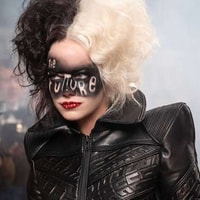
We talk Carl Jung, The Shadow Self, Emma Stone, and CRUELLA!
Find out more at https://pop-culture-case-study.pinecast.co